
Whittier, California · Workers' Compensation
Whittier Denied Workers' Compensation Claim Attorney
Hurt at work in Whittier? Workers' comp pays for medical care and part of your lost pay while you heal. A free call tells you where you stand.
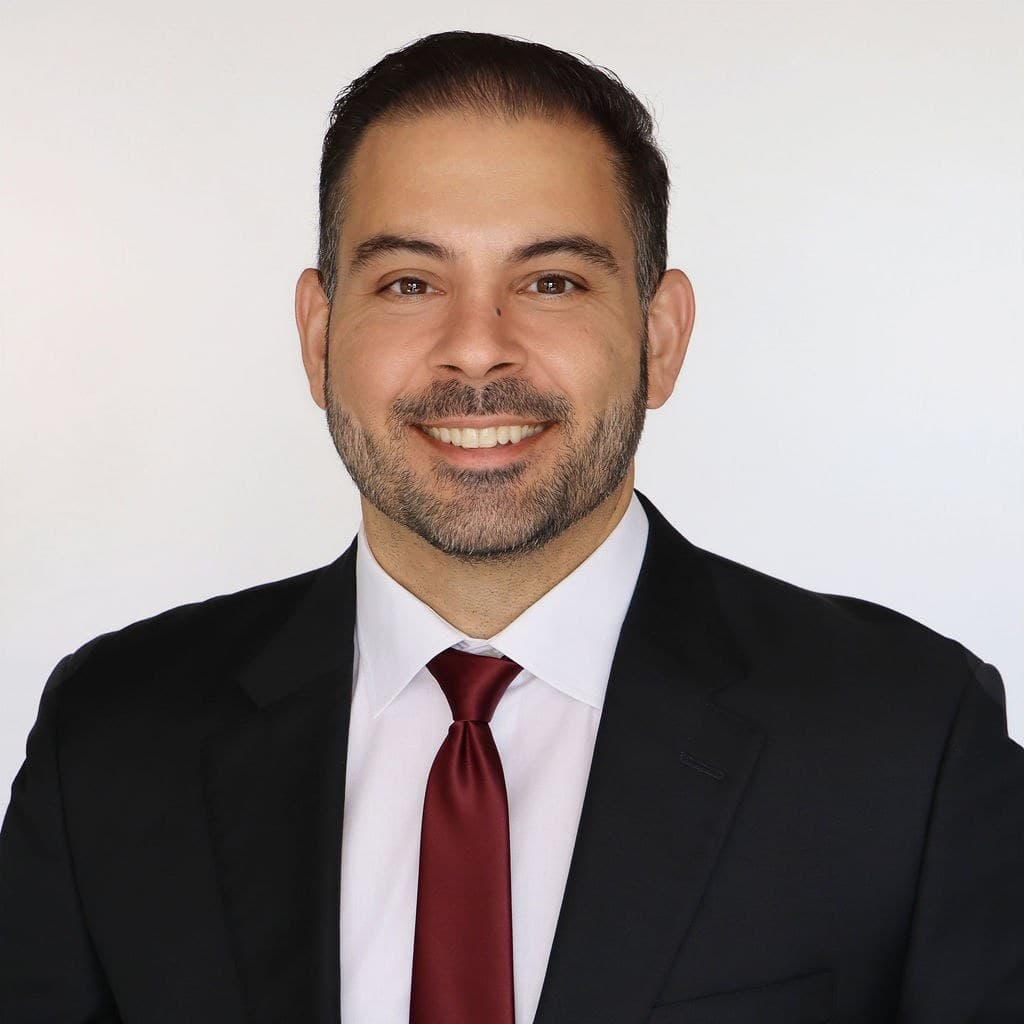
Eman Yazdchi, Esq., Certified Specialist in Workers' Compensation Law, California Board of Legal Specialization, State Bar of California.


California Board of Legal Specialization, State Bar of California
California Board of Legal Specialization, State Bar of California
- 14+
- Years of Practice
- 2,000+
- Cases handled over 14+ years
- $50M+
- Recovered over 14+ years
- 3
- Languages: English, Español, Farsi
Past results do not guarantee, warrant, or predict future cases. Each case is different and results depend on specific facts and circumstances.
Prepared by Yazdchi Law
A denied claim can hit hard in Whittier. A PIH Health worker may be out after a patient lift. A warehouse worker near the 605 or the 60 may be told the back injury is not work related. A Whittier College, Uptown, retail, or food service worker may hear that the injury was reported too late. The letter can sound final, but it is still only the carrier's position.
The next step is to build the record. That means finding the DWC-1 claim form date, checking the denial deadline, gathering medical notes, and filing the case at the Workers' Compensation Appeals Board when needed. Whittier cases are commonly handled through the Los Angeles WCAB. Eman Yazdchi is a Certified Specialist in workers' compensation law by the California Board of Legal Specialization, State Bar of California.
What should a Whittier worker do after a denial?
A denied Whittier claim needs a fast paper trail: claim form, denial letter, medical notes, witness names, and court filing.
Do not throw away the denial letter. Keep the envelope too. The postmark can matter if the carrier claims it acted on time. Write down when you first told a supervisor, who was present, and what was said. If you reported the injury by text or email, save it outside the work phone. If a manager filled out an incident report, ask for a copy.
Whittier workers often have practical proof that never makes it into the adjuster's file. A hospital employee may have assignment sheets and lift-team notes. A college worker may have maintenance tickets or campus incident logs. A warehouse worker may have scanner data, delivery records, pallet counts, or names of coworkers who saw the shift. A restaurant worker may have a schedule, burn report, or camera location.
The WCAB case starts with an Application for Adjudication of Claim. That filing does not mean the worker has to go straight to trial. It opens the legal forum. It lets the worker request a medical-legal evaluation, set hearings, and push the insurer to explain the denial. Without that step, many denied claims sit in adjuster limbo.
Medical proof has to be clean. A first clinic note that says "pain" may not show enough. The doctor should identify the job task, body part, date or work period, diagnosis, work limits, and treatment plan. If the injury developed over time, the report should explain the repeated work. That is common in Whittier healthcare, warehouse, retail, and janitorial cases.
| Problem in the denial | What the file should show | Authority to review |
|---|---|---|
| Carrier waited too long | DWC-1 filing date, denial date, mailing proof. | Labor Code §5402(b) |
| Doctor request rejected | UR decision, IMR deadline, complete treatment records. | Labor Code §§4610, 4610.5 |
| Work cause disputed | QME panel request, job description, witness proof. | Labor Code §4060 |
| Benefits delayed | Payment history, disability notes, adjuster letters. | Labor Code §5814 |
Why do Whittier workers' comp claims get denied?
Whittier denials usually point to late reporting, weak medical notes, non-work causes, or disputes about how the injury happened.
The same denial phrases appear again and again. The carrier says there is no industrial injury. It says the worker waited too long. It says a back or shoulder problem is old. It says there was no witness. It says the doctor did not connect the condition to the job. Those reasons can be answered, but they need facts.
Whittier's workforce gives those facts local shape. At PIH Health, lifting, turning, pushing beds, and rushing between rooms can injure backs, shoulders, wrists, and knees. In warehouse and light-industrial jobs near the freeway corridors, workers may lift, scan, load, drive, and repeat the same motion for long shifts. Uptown and Whittwood retail workers face falls, stocking injuries, ladder work, and customer-service pace. College and school workers may have maintenance, food service, security, and office strain claims.
A denial may treat these jobs as if they were light or simple. They are not. The file should describe weight, repetition, awkward posture, staffing, equipment, floors, heat, and time pressure. A worker does not need fancy words. A clear, truthful task list often does more than a stack of vague forms.
Prior medical history also needs care. Having an old injury does not automatically defeat a claim. California workers' comp looks at whether work caused, aggravated, or lit up the condition. If work made the problem worse or created new disability, the claim may still be valid. The medical report must explain that connection in plain terms.
How does the 90-day rule affect a Whittier denial?
The 90-day rule can help when the insurer knew about the claim but missed the legal rejection window.
The denial date is not just a date. It can decide the whole case posture. Once the claim form is filed under California law, the insurer has a limited period to reject liability. If the carrier misses the deadline, the worker may have a strong argument that the injury is presumed covered, subject to narrow proof rules.
Labor Code section 5402(b): "the injury shall be presumed compensable" if liability is not timely rejected after the claim form is filed.
That is why the first review should include the claim form, any delay notice, the denial letter, the envelope, and the employer's knowledge of the injury. Some Whittier workers tell a supervisor, get sent to a clinic, and then wait weeks before a formal letter arrives. Others never receive a claim form until after repeated requests. Those facts affect the calendar.
The 90-day rule is not a magic phrase. It is a proof tool. If the carrier acted late, the issue becomes whether it has evidence that was discovered only after the period ended. That is a harder position for the insurer than a normal denial. It may also support faster pressure at a hearing.
What if only the treatment was denied?
A treatment denial needs a different response than a full claim denial, with UR, IMR, and doctor reports checked closely.
Sometimes the carrier accepts the injury but refuses the care. That may happen with physical therapy, an MRI, injections, surgery, medications, or specialist visits. The adjuster may say Utilization Review denied the request. UR is a medical review process. It has deadlines and rules. If the UR decision is late or defective, it may be challenged at the WCAB.
If UR was proper, the worker usually has to use Independent Medical Review. IMR looks at the treatment request on paper. That makes the treating doctor's report very important. The report should explain symptoms, exam findings, failed care, imaging, work limits, and why the requested treatment is medically needed. A thin report gives IMR an easy way to uphold the denial.
For Whittier workers, the treatment story should match the job story. A nurse assistant with a shoulder tear needs patient-transfer facts. A warehouse worker with a lumbar injury needs lifting and repetition facts. A cook with a burn or hand injury needs shift and task detail. The medical record should not sound like the injury happened in a blank room.
What happens at the Los Angeles WCAB?
At the Los Angeles WCAB, a denied Whittier claim can move toward medical evaluation, conference, settlement, or trial.
The WCAB is the court system for California work injuries. It is not a criminal court. It is not a jury case. A judge manages disputes about injury, medical care, temporary disability, permanent disability, and penalties. For a denied Whittier claim, the early goal is to get the right issues in front of the judge and the right medical evidence in the file.
Many cases start with a QME report. If the report supports work injury, the insurer may reopen talks about treatment and benefits. If the report is incomplete, the parties can seek clarification. If the dispute remains, the case can go to a Mandatory Settlement Conference and then trial. The worker may testify. The judge then issues a written decision.
This process can feel slow, but it gives structure to a claim that the insurer tried to close. Deadlines are tracked. Evidence is exchanged. The denial must be defended. That alone can change the balance for a worker who felt ignored.
Results in cases like this
Every case is different. Past results do not guarantee, warrant, or predict a similar outcome.
$5,000,000
Catastrophic spinal cord injury
$1,500,000
Cervical spine injury
$425,000
Slip and fall accident
Find Out What Your Whittier Case May Be Worth
Two minutes. No fee unless we win; costs may apply.
Question 1 of 5
What type of injury do you have?
Not ready to fill this out? Just call (661) 273-1780 and we’ll ask the same questions by phone.
Free Consultation
Call or send the short form. We review your case, explain your rights, and outline your options. Free, no obligation.
We Build Your Case
We gather medical evidence, handle the insurance company, and file all the workers' comp court (WCAB) paperwork for you.
We Pursue Every Benefit
Medical care, lost wages, and permanent disability benefits. No fee unless we win your case; costs may apply.
What local proof matters in Whittier?
Whittier proof should connect the injury to PIH Health, Whittier College, warehouses, retail centers, restaurants, or city service work.
Whittier is not one worksite. It includes PIH Health, Whittier College, Uptown shops, Whittwood Town Center, school and city jobs, delivery routes, and warehouse or light-industrial work tied to the 605, the 60, and major boulevard corridors. A strong denial challenge names that setting. It does not rely on a generic job title.
The Los Angeles WCAB commonly handles Whittier workers' compensation disputes. Local proof should show how the work was actually done. For a hospital worker, that may mean patient loads, staffing, and transfer equipment. For a warehouse worker, it may mean pallet weights, scanner pace, route sheets, and overtime. For a retail worker, it may mean ladders, wet floors, stocking duties, and missed breaks.
Emergency care and first treatment may happen at a local clinic, PIH Health, or another nearby facility. The legal point is the same: report the injury, ask for the claim form, and keep copies. If the carrier denies the claim or cuts off care, call (661) 273-1780 with the denial letter and the first medical note nearby.
Injured at work in Whittier? Talk it through for free.
Most claims must be filed within one year under Labor Code section 5405. A free call tells you where your clock stands.
Frequently Asked Questions
Can a Whittier denied claim still settle?
What if my employer never gave me a claim form?
What if the adjuster says my injury is preexisting?
Where are Whittier workers' comp hearings held?
What if UR denied my surgery or MRI?
Can I be fired for filing a Whittier workers' comp claim?
How quickly should I call after a denial?
What makes Eman Yazdchi different for denied claims?
Free case evaluation
Get your free Whittier case evaluation
Three fields. We respond within one business day.
Talk to a Certified Specialist
Certified Specialist in Workers' Compensation Law, California Board of Legal Specialization, State Bar of California.
Takes 30 seconds. No obligation.
Eman at Yazdchi Law was extremely professional, responsive, and supportive at all times. He and his staff exceeded all of my expectations.
A fighting force both consistent and compassionate on a scale’s a 5 all around.
Client testimonials. Testimonials are not a guarantee, warranty, or prediction of the outcome of your case.