
Windsor Square, California · Workers' Compensation
Windsor Square Denied Workers' Compensation Claim Attorney
Hurt at work in Windsor Square? Workers' comp pays for medical care and part of your lost pay while you heal. A free call tells you where you stand.
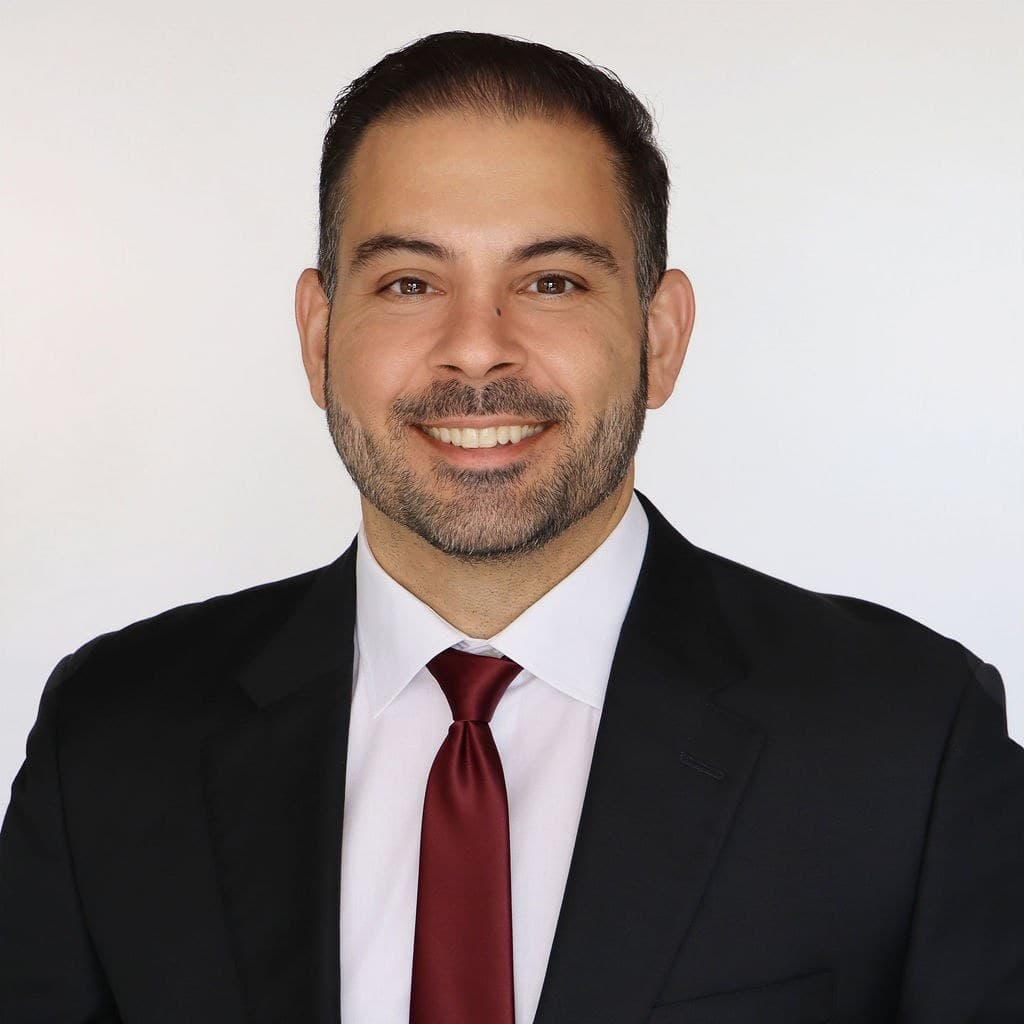
Eman Yazdchi, Esq., Certified Specialist in Workers' Compensation Law, California Board of Legal Specialization, State Bar of California.


California Board of Legal Specialization, State Bar of California
California Board of Legal Specialization, State Bar of California
- 14+
- Years of Practice
- 2,000+
- Cases handled over 14+ years
- $50M+
- Recovered over 14+ years
- 3
- Languages: English, Español, Farsi
Past results do not guarantee, warrant, or predict future cases. Each case is different and results depend on specific facts and circumstances.
Prepared by Yazdchi Law
Why a Windsor Square denial needs a careful first read
The denial letter tells you what must be proven, which deadline matters, and whether the dispute belongs at WCAB or IMR.
A denied claim in Windsor Square often arrives in plain language that sounds official: no industrial injury, no medical evidence, no timely notice, no need for treatment, no disability owed. A denial letter is written from the insurer's point of view. It is not a judge's decision. It may be based on missing records, a rushed statement, a supervisor's incomplete account, or a doctor who did not understand the job.
Windsor Square work injuries have their own texture. Residential service employees lift, clean, drive, carry supplies, and work inside older homes. Larchmont Village retail and restaurant workers stand for long shifts, unload stock, prep food, and slip on wet floors. Wilshire and Koreatown-adjacent health care, office, and property-service workers deal with repetitive computer work, patient movement, stairs, and parking-lot falls. A denial that treats those jobs as light or casual may miss the actual exposure.
Eman Yazdchi reviews denied claims with that local detail in mind. He is a Certified Specialist in Workers' Compensation Law by the California Board of Legal Specialization, State Bar of California. The review starts with the DWC-1 form, the denial date, the employer's first notice, the treating notes, the body parts listed, and the wage-loss record. From there, the case can be moved toward the Los Angeles WCAB, Independent Medical Review, or a focused demand to correct a claim-handling error.
If your denial came after work near Larchmont Boulevard, Beverly Boulevard, Wilshire, Rossmore, Arden, or the Hancock Park edge, call (661) 273-1780. The sooner the record is organized, the easier it is to show what the insurer missed.
Which denial path applies to your Windsor Square case?
A claim denial, body-part denial, benefit denial, and treatment denial each follow a different proof path and deadline.
The broadest denial says the injury is not covered at all. The carrier may argue that the accident happened away from work, that the worker failed to report it, that the symptoms are personal, or that a cumulative trauma claim is just aging. These cases usually need WCAB jurisdiction, medical-legal reporting, and a clear description of the work. The Application for Adjudication gives the court power to act. A QME can address causation when the treating record is not enough.
A narrower denial accepts part of the case but disputes the rest. The insurer may accept a wrist strain but deny the neck. It may accept a fall but reject the need for temporary disability. It may accept one date of injury and deny the repetitive work that came before it. These partial denials are easy to overlook because benefits may still be moving. They still need attention. An omitted body part today can mean no future medical care, no rating, and no settlement value for that part later.
Treatment denials require a separate lens. When a treating doctor requests an MRI, injection, surgery consult, therapy, medication, or home-health support, Utilization Review must respond under workers' comp rules. A timely UR denial based on medical necessity usually goes to IMR. A defective UR denial may be challenged differently. The worker should save the RFA, the doctor's report, the UR decision, the proof of service, and any IMR paperwork. Small date errors can change the remedy.
If liability is not rejected within 90 days after the date the claim form is filed under Section 5401, the injury shall be presumed compensable under this division.
That sentence from Labor Code section 5402(b) is why the claim form date matters so much. A Windsor Square employer cannot sit on notice while the insurer waits indefinitely. If the denial was issued after the statutory window, the worker may be able to argue that the injury is presumed covered. The carrier may still fight specific benefits, but the posture changes.
| Denial type | Common Windsor Square example | Immediate move |
|---|---|---|
| Whole claim denied | Household employee hurt lifting supplies | Open WCAB file and build causation proof |
| Body part denied | Fall accepted for wrist, neck disputed | Add medical reporting and QME issues |
| Treatment denied | MRI or therapy rejected by UR | Check UR validity and IMR deadline |
| Disability denied | Doctor takes worker off, checks stop | Gather wage records and work-status slips |
The proof plan should be simple. A judge should be able to follow it quickly. What was the job? What changed after the injury? Who knew? What did the doctor find? What did the carrier deny? What deadline did it miss? A clean chronology often does more than a stack of loose documents.
Windsor Square denials also call for careful worker classification review. Domestic-service, property-management, restaurant, retail, and small-office roles can be misdescribed. Some workers are told they are independent contractors when the facts show employee control. Some are paid partly in cash. Some are afraid to pursue a claim because the employer is a household, family business, or small shop. Coverage and employee status need legal review before accepting the insurer's answer.
What can be recovered after the denial is fixed?
Once the denial gives way, the claim can include medical care, disability payments, permanent rating value, vouchers, and unpaid expenses.
A reversed denial can restart medical treatment, including diagnostic testing, specialist care, therapy, injections, surgery consults, and future medical care when supported by reporting. It can also unlock temporary disability for time the worker could not work, permanent disability after the condition stabilizes, and a job retraining voucher if the employer cannot offer regular, modified, or alternative work.
Settlement value depends on the injury and the job. A Larchmont restaurant worker with a shoulder tear, a residential housekeeper with a lumbar injury, a property-service worker with a knee injury, and an office worker with a denied repetitive wrist claim will not have the same rating. The point is not to guess a number early. The point is to force the insurer to value the real medical record, not the shortcut version that supported the denial.
Results in cases like this
Every case is different. Past results do not guarantee, warrant, or predict a similar outcome.
$5,000,000
Catastrophic spinal cord injury
$1,500,000
Cervical spine injury
$425,000
Slip and fall accident
Find Out What Your Windsor Square Case May Be Worth
Two minutes. No fee unless we win; costs may apply.
Question 1 of 5
What type of injury do you have?
Not ready to fill this out? Just call (661) 273-1780 and we’ll ask the same questions by phone.
Free Consultation
Call or send the short form. We review your case, explain your rights, and outline your options. Free, no obligation.
We Build Your Case
We gather medical evidence, handle the insurance company, and file all the workers' comp court (WCAB) paperwork for you.
We Pursue Every Benefit
Medical care, lost wages, and permanent disability benefits. No fee unless we win your case; costs may apply.
How Windsor Square facts shape the Los Angeles WCAB record
The best denied-claim record connects the legal issue to real places, real tasks, and real witnesses in the neighborhood.
Windsor Square sits between Hancock Park, Koreatown, Larchmont Village, and the Wilshire corridor. It is known for historic homes, preservation rules, schools, religious institutions, small retail, restaurants, and dense service work that happens behind polished storefronts and private gates. Those details are not decoration. They explain why a worker may have no traditional incident report, why a witness may be a co-worker in a small shop, or why the employer's version may be shaped by a homeowner, property manager, or family business owner.
Local context also helps with medical access. A worker may treat near Koreatown, Hollywood, Mid-Wilshire, or South LA, depending on the network and commute. If the carrier denies the claim before care is organized, the medical record can look thin through no fault of the worker. That is why early documentation matters. Pain locations, job tasks, missed shifts, modified duty attempts, and texts to managers should be saved before memories fade.
Windsor Square denied claims usually proceed through the Los Angeles WCAB. The goal is to make the file readable before it reaches a conference or hearing. The denial letter should be paired with the worker's timeline. The medical reports should identify the actual job duties. Wage loss should be tied to work-status slips. If the issue is late denial, the claim form and service dates should be front and center. If the issue is treatment, the UR and IMR documents should be in order.
Keep proof close. Save texts. Save wage stubs. Save work notes. Write down who gave orders, who saw the injury, and who changed the schedule. Do this while the facts are fresh. A small daily log can make the file clear. It can also show why a thin medical chart does not mean the claim is weak.
The insurer may have resources and routines, but it does not have the final voice. A denied claim becomes stronger when the worker stops arguing in fragments and starts building a record. That is the difference between frustration and a case the WCAB can act on.
Injured at work in Windsor Square? Talk it through for free.
Most claims must be filed within one year under Labor Code section 5405. A free call tells you where your clock stands.
Frequently Asked Questions
Can a Windsor Square workers' comp denial be overturned?
How do I know if the insurer missed the 90-day deadline?
What if I work in a Windsor Square home or small business?
What if only one body part was denied?
What should I do if UR denied my treatment?
Can I receive disability pay while the denial is pending?
What if my employer pressures me to drop the claim?
Why hire Eman Yazdchi for a Windsor Square denied claim?
Free case evaluation
Get your free Windsor Square case evaluation
Three fields. We respond within one business day.
Talk to a Certified Specialist
Certified Specialist in Workers' Compensation Law, California Board of Legal Specialization, State Bar of California.
Takes 30 seconds. No obligation.
Eman really knows his stuff and we were very pleased with our end result.
I am glad and so very pleased...he made happen what no other attorney could do. So far he has proven his weight in gold.
Client testimonials. Testimonials are not a guarantee, warranty, or prediction of the outcome of your case.