
Windsor Square, California · Workers' Compensation
Windsor Square Workers' Compensation Settlement Attorney
Hurt at work in Windsor Square? Workers' comp pays for medical care and part of your lost pay while you heal. A free call tells you where you stand.
Eman Yazdchi, Esq., Certified Specialist in Workers' Compensation Law, California Board of Legal Specialization, State Bar of California.


California Board of Legal Specialization, State Bar of California
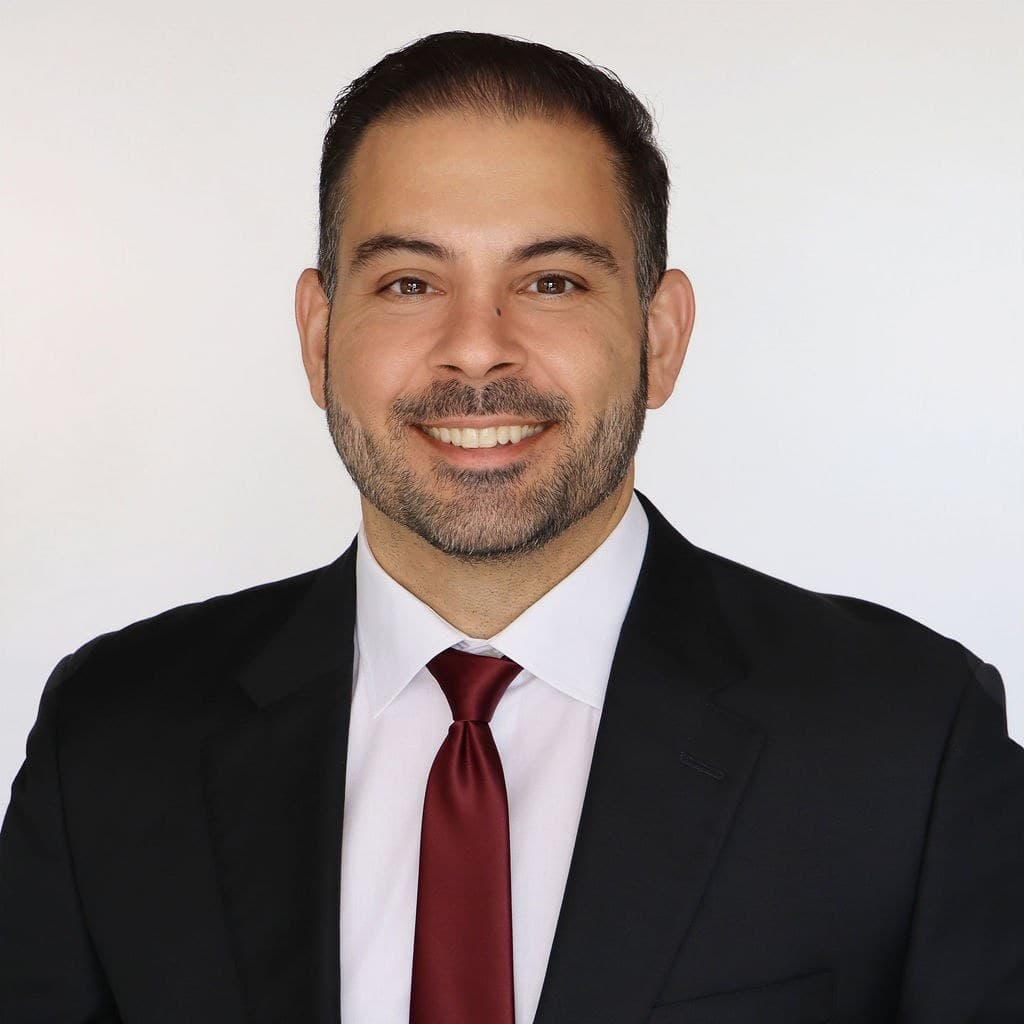
California Board of Legal Specialization, State Bar of California
- 14+
- Years of Practice
- 2,000+
- Cases handled over 14+ years
- $50M+
- Recovered over 14+ years
- 3
- Languages: English, Español, Farsi
Past results do not guarantee, warrant, or predict future cases. Each case is different and results depend on specific facts and circumstances.
Prepared by Yazdchi Law
A settlement can feel like the carrier is asking you to guess the rest of your life. You may still hurt. You may not know if your job near the Wilshire corridor will take you back. The real question is simple: does the offer protect your medical care, lost wages, permanent disability, and future needs?
For Windsor Square workers, settlement choices usually go through the Los Angeles WCAB. That matters because the judge must approve the deal before it becomes final. The papers should match the medical reports, the disability rating, and the value of care you may need after the case closes.
Eman Yazdchi represents injured workers in California workers' compensation cases and is a Certified Specialist in Workers' Compensation Law, California Board of Legal Specialization, State Bar of California. If you are being pushed to sign a Compromise and Release or a Stipulated Award, call (661) 273-1780.
Do you have a settlement case in Windsor Square?
You may have a settlement case if a work injury left lasting limits, unpaid benefits, or future medical needs.
A Windsor Square settlement starts with a work injury, not with a dollar figure. You may work in a Wilshire Boulevard medical office, a neighborhood service job, a property crew near Hancock Park, or a professional role tied to Mid-City. If the job made you worse, and a doctor connects the injury to work, the claim can lead to benefits and later settlement talks.
The carrier may call the offer simple. It is not simple for you. A small change in a medical report can change permanent disability. A sentence about future surgery can change the value of medical care. A line about old arthritis, prior back pain, or a non-work condition can reduce the offer if it is not challenged.
Your case may include medical treatment with no copays, temporary disability while a doctor keeps you off work, permanent disability after you reach maximum medical improvement, and a retraining voucher if you cannot return to the same type of work. A settlement should account for those rights. It should not trade them away before the file is ready.
How much is a Windsor Square workers' comp claim worth?
Value depends on your disability rating, age, job, wages, future care, and whether the medical report is fair.
There is no honest fixed number for every Windsor Square claim. A desk worker with a shoulder injury, a housekeeper with a back injury, and a driver with knee surgery can all have very different results. California uses a rating system. The rating starts with medical impairment. It then adjusts for age and occupation, and it can move up or down.
The table below gives statewide examples only. It is a starting point for understanding the moving parts, not a quote for your case. These numbers can change when the doctor adds work limits, the carrier claims apportionment, or future treatment becomes more serious.
These are general California ranges, not a prediction. Your actual award depends on your disability rating, age, occupation, and future medical care. Past results do not guarantee future outcomes.
| Injury picture | Typical PD rating | Approximate statewide range |
|---|---|---|
| Soft tissue strain with short treatment and return to regular work | 0% to 5% | $0 to $5,000 |
| Single body part injury with therapy, work limits, and some lasting pain | 6% to 15% | $5,000 to $25,000 |
| Surgery or serious imaging finding with permanent work limits | 16% to 35% | $25,000 to $85,000 |
| Multiple body parts, heavy future care, or major job loss | 36% to 69% | $85,000 to $250,000 or more |
| Very severe disability with life pension issues | 70% to 100% | Highly case specific |
For a Windsor Square worker, the local job facts matter. A permanent lifting limit may affect a building maintenance worker more than an office worker. A hand injury can be minor on paper but serious for someone who types, prepares food, cleans rooms, or handles tools all day. The settlement should price the actual job, not only the body part.
Future medical care is often the part people miss. If you close medical rights for one lump sum, you may have to pay for later injections, therapy, medication, surgery consults, or pain care yourself. That is why a low lump sum can look helpful today and still leave you exposed later.
Compromise and Release vs Stipulated Award
A Compromise and Release usually closes the case for cash. A Stipulated Award keeps approved medical care open.
Most California workers' comp settlements come in two forms. A Compromise and Release is usually a lump-sum buyout. It often closes future medical care for the injured body parts listed in the agreement. The carrier pays money now, and you take on the risk of future care unless the agreement says otherwise.
A Stipulated Award works differently. You and the carrier agree to a permanent disability rating. Payments are made under the award, and medical care for the accepted work injury stays open. This can be a better fit when you still need treatment, medication, specialist visits, or monitoring.
Neither form is always right. The right choice depends on the medical evidence and your life. If you have stable pain, good private insurance, and want control, a lump sum may make sense. If you expect more treatment and cannot risk paying for it yourself, an award with open medical may be safer.
Labor Code section 5001 says: "No release of liability or compromise agreement is valid unless it is approved by the appeals board or referee."
That judge approval is not a small formality. The Los Angeles WCAB must see enough information to decide whether the deal is adequate. If the paperwork leaves out body parts, future care, rating disputes, or unpaid benefits, the settlement can be delayed or questioned.
Labor Code section 5100 also matters when future payments are being changed into a present value. The math should be checked before you rely on the final number. Once a judge approves a full Compromise and Release, undoing it is hard.
What changes your settlement value?
The main value drivers are the medical report, permanent disability rating, job demands, wages, and future treatment plan.
The medical report is the center of the settlement. It should list the injured body parts, work restrictions, permanent impairment, future care, and whether any disability is blamed on non-work causes. If the report is thin, the offer will usually be thin too.
Permanent disability is not only a medical term. It is the way California prices lasting loss. The same injury can rate differently for different workers because age and occupation matter. A neck injury can affect a dental assistant, valet, nurse aide, or office manager in different ways.
Apportionment can also change value. That means the doctor assigns part of the disability to something other than work. Sometimes that is fair. Sometimes it is based on a weak explanation. A carrier may lean hard on old imaging, prior soreness, or age. The doctor still needs a clear reason for splitting disability.
Unpaid temporary disability should be reviewed too. If you missed time while the doctor said you could not work, the payment history should match the disability slips and wage record. Missing weeks should not disappear inside a settlement without being counted.
Future care can be the biggest dispute. The report may call for therapy, injections, medication, surgery evaluation, durable medical equipment, or pain management. A lump sum should reflect the cost and risk of that care. A Stipulated Award may protect care when the risk is too high.
What about Medicare?
Medicare issues can affect serious settlements when future work injury care might otherwise be billed to Medicare later.
If you have Medicare, expect to get Medicare soon, or have a serious injury with costly future care, settlement needs extra care. The carrier may raise a Medicare Set-Aside. That is money considered for future treatment tied to the work injury, so Medicare is not asked to pay first for care the workers' comp case should cover.
Not every case needs the same Medicare analysis. A small strain with no future care is different from a spine surgery case or a claim with long-term medication. The point is to spot the issue before the settlement is signed. Waiting until after approval can create payment problems.
Medicare questions also affect the choice between a Compromise and Release and a Stipulated Award. If future care is expensive or uncertain, keeping medical open may be worth more than taking cash now. The right answer depends on the medical record and your health coverage.
How do attorney fees work?
In California workers' comp, attorney fees are usually a percentage approved by the judge from the settlement.
Workers' compensation attorney fees are not billed like many civil cases. In most California comp cases, the judge reviews and approves the fee. The fee is commonly a percentage of the settlement, often in the 12% to 15% range, depending on the case and the judge's order.
You should know what fee is being requested before you sign. You should also know what benefits are being protected. A fee only makes sense if the work improves the position of the injured worker by fixing unpaid benefits, challenging a weak report, protecting future care, or making the settlement papers accurate.
Fee approval is another reason the WCAB review matters. The judge is not only signing a private deal. The judge is approving the settlement and the fee request. Clear paperwork helps avoid confusion.
Before you sign settlement papers
Do not sign until the offer is checked against your rating, unpaid benefits, future care, and open disputes.
Many injured workers are tired by the time settlement papers arrive. That is normal. You may want the calls to stop. You may want one check and a clean end. But the last signature can carry the most risk.
Before signing, check whether every injured body part is listed. Confirm the permanent disability rating. Review whether temporary disability was paid correctly. Ask what medical care you are giving up. Make sure the settlement says the right WCAB venue and the correct employer and insurance carrier.
If you are near Windsor Square, Hancock Park, Koreatown, or the Mid-City side of Wilshire, your case may still be handled at the Los Angeles WCAB even if the carrier's adjuster is somewhere else. Venue does not change your injury, but it changes where disputes and approval are handled.
Call (661) 273-1780 if you need the offer reviewed before you sign. A short review before approval can prevent a long problem after approval.
Results in cases like this
Every case is different. Past results do not guarantee, warrant, or predict a similar outcome.
$5,000,000
Catastrophic spinal cord injury
$1,500,000
Cervical spine injury
$425,000
Slip and fall accident
Find Out What Your Windsor Square Case May Be Worth
Two minutes. No fee unless we win; costs may apply.
Question 1 of 5
What type of injury do you have?
Not ready to fill this out? Just call (661) 273-1780 and we’ll ask the same questions by phone.
Free Consultation
Call or send the short form. We review your case, explain your rights, and outline your options. Free, no obligation.
We Build Your Case
We gather medical evidence, handle the insurance company, and file all the workers' comp court (WCAB) paperwork for you.
We Pursue Every Benefit
Medical care, lost wages, and permanent disability benefits. No fee unless we win your case; costs may apply.
Windsor Square claims often involve workers who move between residential blocks and busy commercial corridors. A person may be hurt lifting supplies for a Wilshire corridor office, cleaning a Hancock Park-adjacent property, driving between service calls, or doing maintenance work around older buildings.
The WCAB venue for Windsor Square settlement approval is Los Angeles. Settlement papers should be prepared for Los Angeles WCAB review, with the right case number, body parts, rating information, and medical record support.
Eman Yazdchi can review whether a proposed Compromise and Release or Stipulated Award fits the medical evidence, the rating, the unpaid benefits, and the future care risk before you give up rights that may be hard to recover later.
Injured at work in Windsor Square? Talk it through for free.
Most claims must be filed within one year under Labor Code section 5405. A free call tells you where your clock stands.
Frequently Asked Questions
Can I settle my Windsor Square workers' comp case before I finish treatment?
Does a Compromise and Release close my medical care?
Will the Los Angeles WCAB judge review my settlement?
What if the insurance company says part of my injury is from age or a prior condition?
How long does settlement approval take?
Can I keep working after a workers' comp settlement?
Do I need a Medicare Set-Aside?
Who can review a Windsor Square settlement offer?
Free case evaluation
Get your free Windsor Square case evaluation
Three fields. We respond within one business day.
Talk to a Certified Specialist
Certified Specialist in Workers' Compensation Law, California Board of Legal Specialization, State Bar of California.
Takes 30 seconds. No obligation.
Eman by far exceeds the basic requirements other lawyers give to clients and surpasses all expectations.
Eman really knows his stuff and we were very pleased with our end result.
Client testimonials. Testimonials are not a guarantee, warranty, or prediction of the outcome of your case.