
Arcadia, California · Workers' Compensation
Arcadia Workers' Comp Claim Denied Lawyer in California
Hurt at work in Arcadia? Workers' comp pays for medical care and part of your lost pay while you heal. A free call tells you where you stand.
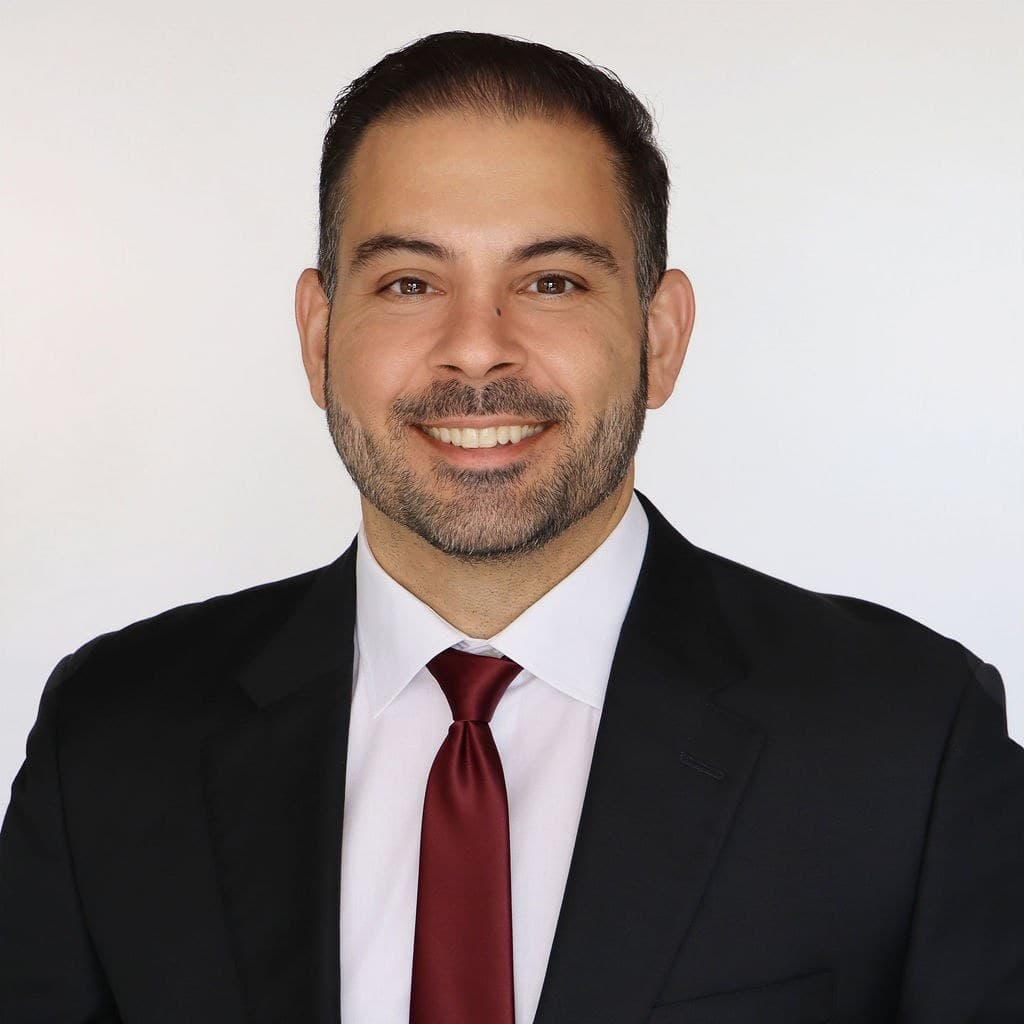
Eman Yazdchi, Esq., Certified Specialist in Workers' Compensation Law, California Board of Legal Specialization, State Bar of California.


California Board of Legal Specialization, State Bar of California
California Board of Legal Specialization, State Bar of California
- 14+
- Years of Practice
- 2,000+
- Cases handled over 14+ years
- $50M+
- Recovered over 14+ years
- 3
- Languages: English, Español, Farsi
Past results do not guarantee, warrant, or predict future cases. Each case is different and results depend on specific facts and circumstances.
Prepared by Yazdchi Law
A denial is not the end. It is the beginning of the fight for your benefits.
If your workers' comp claim was turned down in Arcadia, you are probably scared and angry right now. That is a completely understandable reaction. A letter saying "denied" feels like the door closing on your family. But in California, that door has not closed. You have real legal tools to push back, and using them costs you nothing up front.
Workers at Methodist Hospital of Southern California, Santa Anita Park, Westfield Santa Anita, and Arcadia Unified School District face this situation every year. A nurse gets told her injury was pre-existing. A groom at Santa Anita receives a letter saying his knee pain was not work-related. A retail worker at the mall gets a denial she never expected. In every one of those cases, the fight was not over.
Take these three steps right now:
- Write down the date on the denial letter. Your response deadlines start from that date. Missing them is the one mistake that can actually close your case for good.
- Do not sign anything the insurer sends you. A settlement offer right after a denial is not a fair deal. It is a way for the insurer to close your case cheaply before you understand your rights.
- Call us for free: (661) 273-1780. We review denied Arcadia claims at no cost. If there is a path forward, we walk it with you on a contingency basis.
Was your Arcadia claim denied? Here is what to do.
A denial does not close your case. You have real legal routes to challenge it, and a Certified Specialist can walk you through each one at no cost.
Getting a denial letter does not mean you lose. It means the insurer has made a decision you are allowed to challenge. California workers' comp has formal appeal steps at every stage. The path forward depends on what exactly was denied and when you received the letter.
The hardest part of fighting a denial alone is not the paperwork. It is knowing which deadline applies to your situation and moving quickly enough to meet it. An attorney who handles denied claims at the Los Angeles WCAB every week already knows that system. You do not have to learn it from scratch while you are hurt and worried.
The good news: a denial at the first level is not a final answer. Most denied claims that reach the right hearing get resolved differently than the original denial letter suggested. We have seen this play out for Arcadia workers again and again.
Why do insurers deny workers' comp claims?
The four most common reasons: they say the injury was not work-related, they blame an old condition, they say you reported too late, or they say your treatment was not medically necessary.
Insurance companies deny claims because every denial saves them money. Here are the reasons Arcadia workers hear most often:
- Not work-related. The insurer says the injury happened somewhere other than the job. This comes up often for nurses and CNAs at Methodist Hospital who had any prior history of pain in the affected area.
- Pre-existing condition. They point to old imaging or prior doctor visits and say the job did not cause your current problem. Grooms and hot-walkers at Santa Anita Park, whose bodies absorb years of hard physical work, hear this one regularly.
- Late reporting. They say you waited too long to tell your employer or to file your DWC-1 claim form. There are real deadlines, but many late-reporting denials can still be challenged.
- Treatment not medically necessary. They accept the claim but turn down the specific care your doctor ordered, like an MRI, physical therapy, or surgery. This is a common fight for Arcadia healthcare workers who know what care they need.
- Not an employee. They say you were an independent contractor, not an employee, so they owe you nothing. California defines "employee" broadly, and many workers labeled contractors are actually entitled to coverage.
None of these denials is automatically the final word. Each one has a legal response. The question is whether you move fast enough to use it.
The 90-day rule: what California law means for your Arcadia claim
The insurer has 90 days from your DWC-1 filing to accept or deny. Miss that window, and the law presumes your injury is covered. You also get up to $10,000 in medical care during those 90 days, no matter what.
The 90-day rule is the most powerful protection a denied-claim worker has in California. Under §5402, once you hand in your DWC-1 claim form, a 90-day clock starts for the insurer. It must tell you in writing whether your claim is accepted or denied before that window closes.
Labor Code §5402(b): "If liability is not rejected within 90 days after the date the claim form is filed pursuant to Section 5401, the injury shall be presumed compensable under this division. The presumption of this subdivision is rebuttable only by evidence discovered subsequent to the 90-day period."
In plain terms: if the insurer waits too long, the law assumes your injury is covered. The burden shifts to them, not you. They must now show why the injury is not covered, rather than waiting for you to prove it is.
The same rule has a second protection built in. While the insurer investigates, it owes you up to $10,000 in medical care right away. It cannot freeze your treatment while it takes its time deciding. A patient-care technician at Methodist Hospital who files a DWC-1 after a workplace injury can get her imaging and physical therapy covered during the investigation window, even before the claim is formally accepted.
This $10,000 figure covers interim care during the investigation period. It does not cap the total value of your claim. A full claim involving permanent disability and future medical care can be worth significantly more.
Denied treatment vs. a denied claim: two different fights
A denied treatment goes through a medical review process with a 30-day deadline. A denied claim or bad court ruling goes through a formal written appeal. The routes are separate, and so are the deadlines.
There are two very different kinds of denial in California workers' comp, and each uses a completely different path to fight back.
When your treatment is turned down
The insurer accepts your claim but says it will not pay for a specific procedure your doctor ordered. That is a Utilization Review denial. You have 30 days to request an Independent Medical Review (an outside doctor who reviews your case against the state's official medical treatment guidelines). That doctor's decision is binding on most medical questions, and it is a much fairer process than the internal insurer review.
If the Independent Medical Review upholds the denial, you can still challenge it. But the grounds are very narrow: fraud, a conflict of interest, or clear bias by the reviewer. That challenge must also be filed within 30 days.
When your whole claim is turned down
The insurer says your injury is not covered at all, or a Workers' Compensation judge issued a ruling you believe was wrong. The tool here is a Petition for Reconsideration (a written request asking the Workers' Compensation Appeals Board to look at the decision again). You have 25 days if the ruling was mailed to you, or 20 days if it was served electronically.
If the Board denies reconsideration, the next step is a Writ of Review to the California Court of Appeal. That must be filed within 45 days of the Board's decision.
If your case was already closed but your condition has gotten worse since then, a Petition to Reopen is available within five years of your date of injury.
A retail worker at Westfield Santa Anita whose entire claim was turned down faces a very different path than a Methodist Hospital CNA whose surgery request was denied. Knowing which fight you are in from day one protects your deadlines and your rights.
How long do you have to respond to a denial?
It depends on what was denied. Treatment denials: 30 days. A judge's ruling: 25 days if mailed. A closed case that got worse: within 5 years of the injury date.
Every type of denial has its own hard deadline. Here they all are in one place:
| What was denied | Your appeal route | Deadline | Law |
|---|---|---|---|
| Treatment denied at Utilization Review | Independent Medical Review | 30 days from the denial | §4610.5 |
| IMR upheld the denial | Appeal on narrow grounds (fraud, bias, conflict) | 30 days | §4610.6 |
| A judge's decision (Findings and Award) | Petition for Reconsideration | 25 days if mailed, 20 if served electronically | §5903 |
| Reconsideration denied | Writ of Review to the Court of Appeal | 45 days | §5950 |
| New or worse disability after a closed case | Petition to Reopen | Within 5 years of the injury date | §5803 |
Not sure which row applies to your situation? Call us: (661) 273-1780. We sort it out for free.
What to do the day your denial letter arrives
Identify the type of denial, write down the date, do not sign anything, and call an attorney that same day. Your deadline clock starts running the moment the letter arrives.
The day the denial letter arrives is one of the most important days in your entire case. Here is a simple plan for that day.
Read the letter carefully and figure out what exactly was denied. Was it your whole claim, or just a specific treatment? Each type has a different deadline and a different response path, as the table above shows.
Write the date down right away. Take a photo of the letter with your phone. That date is your starting point for every deadline in the table.
Do not call the insurer to discuss the denial yet. Anything you say can be used to close your case faster and cheaper than you deserve. Let your attorney handle that call on your behalf.
Pull together your documents: the DWC-1 form you filed, any letters from the insurer, your medical records from the first visit where you reported the injury, and a written account of how the injury happened in your own words.
Then call us. Arcadia workers fighting denials have called us from the break room at Methodist Hospital, from the barn area at Santa Anita Park, and from the parking lot at Westfield Santa Anita. We have handled denied claims from every kind of Arcadia employer. The call is free. The review is free. We do not get paid unless you do.
What if your employer retaliates?
If your employer fires you, cuts your hours, or treats you worse because you filed or are fighting a claim, that is illegal. California law bars employers from punishing workers for exercising their workers' comp rights. The penalty includes getting your job back, recovering your lost wages, and a 50% penalty added to your award up to $10,000. Tell us immediately if this happens. Do not wait, because documentation done early is documentation done right.
Results in cases like this
Every case is different. Past results do not guarantee, warrant, or predict a similar outcome.
$5,000,000
Catastrophic spinal cord injury
$1,500,000
Cervical spine injury
$425,000
Slip and fall accident
Find Out What Your Arcadia Case May Be Worth
Two minutes. No fee unless we win; costs may apply.
Question 1 of 5
What type of injury do you have?
Not ready to fill this out? Just call (661) 273-1780 and we’ll ask the same questions by phone.
Free Consultation
Call or send the short form. We review your case, explain your rights, and outline your options. Free, no obligation.
We Build Your Case
We gather medical evidence, handle the insurance company, and file all the workers' comp court (WCAB) paperwork for you.
We Pursue Every Benefit
Medical care, lost wages, and permanent disability benefits. No fee unless we win your case; costs may apply.
Denied-claim hearings at the Los Angeles WCAB: what Arcadia workers face
Arcadia cases are heard at the Los Angeles WCAB. Eman Yazdchi appears there regularly on Arcadia denial cases. He knows the local employers, the local medical system, and the procedures that shape every step of the fight.
Where does an Arcadia denied-claim case get heard?
Workers' compensation disputes from Arcadia, including denied-claim hearings, are handled at the Los Angeles district office of the Workers' Compensation Appeals Board. Yazdchi Law appears there regularly. We handle every step of an Arcadia denial fight, from 90-day presumption petitions to treatment appeals to full Petitions for Reconsideration. You never have to figure out the procedure on your own.
Related: Arcadia general workers' comp and Los Angeles denied-claim cases.
Which Arcadia workplaces drive the most denied claims?
Arcadia has a concentrated employment base, and each sector creates its own pattern of denials. Knowing which pattern you are facing shapes the response:
- Methodist Hospital of Southern California on Huntington Drive. Nurses, CNAs, and patient-care technicians face denials tied to cumulative patient-handling injuries. Insurers routinely argue that off-the-job activity, not the work itself, caused the damage.
- Santa Anita Park. Grooms, hot-walkers, exercise riders, and maintenance workers face denials based on pre-existing conditions and claims that the injury happened outside working hours or during personal time.
- Westfield Santa Anita. Retail workers and facility staff face denials tied to slip-and-fall incidents and conditions the insurer labels not work-related.
- Arcadia Unified School District. Teachers' aides, custodians, and support staff face denials where the insurer argues the work was not physically demanding enough to have caused the reported injury.
Each pattern has a specific legal response. The key is matching your situation to the right tool before the deadline runs.
What does a denied-claim lawyer in Arcadia cost?
Nothing up front. Workers' comp attorney fees are set by the WCAB judge, usually 12 to 15 percent of what we recover for you, and only if we win.
You do not pay by the hour, and you pay nothing to start. California workers' comp fees are capped by the WCAB judge, usually 12 to 15 percent of your award or settlement. If we do not recover anything, you owe nothing. A hospital aide in Arcadia gets the same level of legal help as anyone else, regardless of what she can afford today. That is the design of the contingency system.
About your attorney
Eman Yazdchi is a Certified Specialist in Workers' Compensation Law, certified by the California Board of Legal Specialization, State Bar of California (CA Bar #285231). Only a small fraction of California attorneys hold this credential. He has represented hundreds of injured California workers and appears regularly at the Los Angeles WCAB on Arcadia denial cases. More about Eman Yazdchi. Verify his State Bar profile.
Yazdchi Law has recovered up to $5,000,000 for a catastrophic spinal-cord injury and $1,500,000 for a cervical-spine injury. Past results do not guarantee future outcomes, because every case is different.
Nearby cities we serve
- Pasadena workers' comp
- Monrovia workers' comp
- El Monte workers' comp
- Temple City workers' comp
- San Gabriel workers' comp
- Duarte workers' comp
Injured at work in Arcadia? Talk it through for free.
Most claims must be filed within one year under Labor Code section 5405. A free call tells you where your clock stands.
Frequently Asked Questions
What happens if the insurer misses the 90-day deadline to accept or deny my Arcadia claim?
What does the $10,000 interim medical care under the 90-day rule actually cover?
What are the most common reasons workers' comp claims are denied for Arcadia workers?
Can I be fired for fighting a workers' comp denial in Arcadia?
What is the difference between Utilization Review and Independent Medical Review?
My claim was denied because I did not report it in time. Is that really the end?
Do I need a lawyer to fight a denial, or can I handle it on my own?
Can undocumented workers in Arcadia fight a denied claim?
Free case evaluation
Get your free Arcadia case evaluation
Three fields. We respond within one business day.
Talk to a Certified Specialist
Certified Specialist in Workers' Compensation Law, California Board of Legal Specialization, State Bar of California.
Takes 30 seconds. No obligation.
Eman by far exceeds the basic requirements other lawyers give to clients and surpasses all expectations.
Eman really knows his stuff and we were very pleased with our end result.
Client testimonials. Testimonials are not a guarantee, warranty, or prediction of the outcome of your case.