
California · Workers' Compensation
COVID-19 Workers' Comp in California: 2026 Claim Rules
Hurt at work? Workers' comp pays for medical care and part of your lost pay while you heal. A free call tells you where you stand.
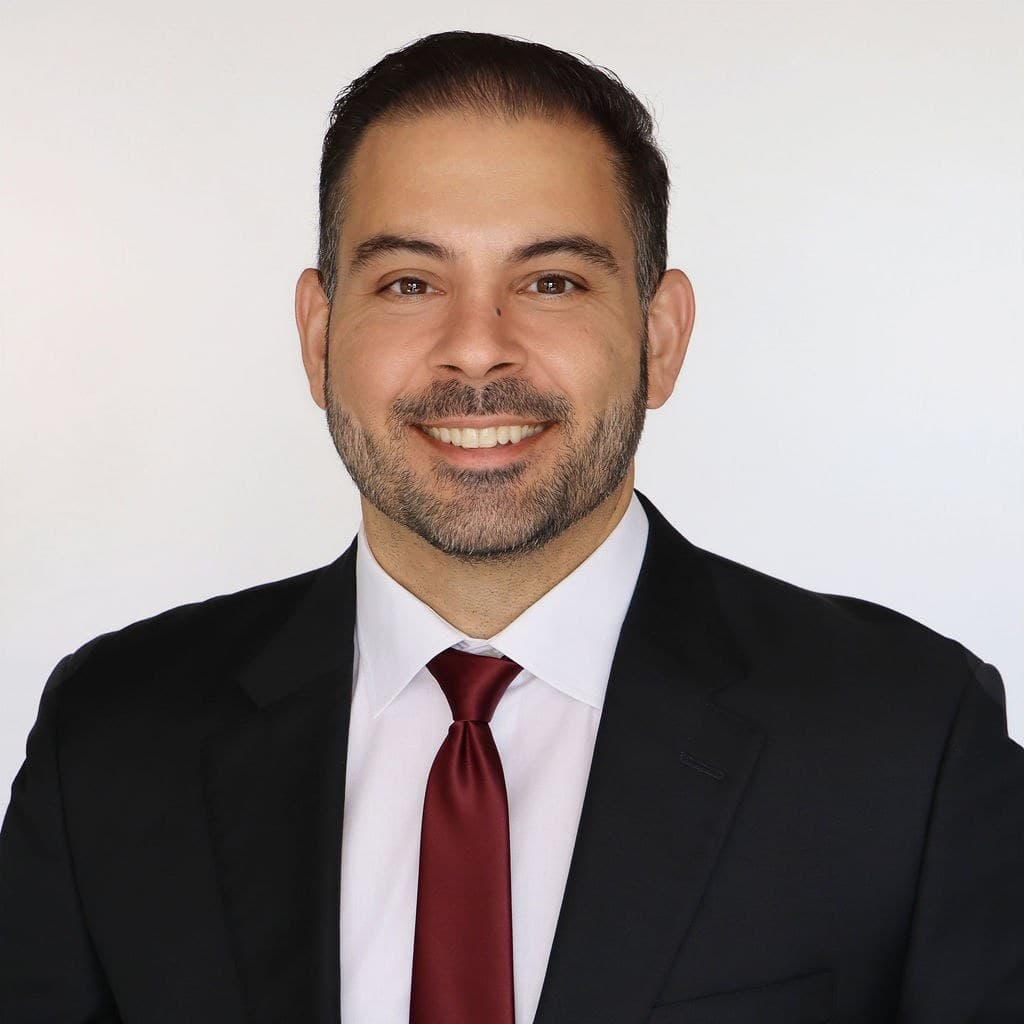
Eman Yazdchi, Esq., Certified Specialist in Workers' Compensation Law, California Board of Legal Specialization, State Bar of California.


California Board of Legal Specialization, State Bar of California
California Board of Legal Specialization, State Bar of California
- 14+
- Years of Practice
- 2,000+
- Cases handled over 14+ years
- $50M+
- Recovered over 14+ years
- 3
- Languages: English, Español, Farsi
Past results do not guarantee, warrant, or predict future cases. Each case is different and results depend on specific facts and circumstances.
Prepared by Yazdchi Law
Can you still get workers' comp for COVID-19 in California?
Yes. You can still win a COVID-19 claim in California. The automatic presumption ended January 1, 2024. Now you must show work likely caused your illness. Winning brings free medical care and wage replacement checks.
Maybe you got sick after a shift on a COVID unit. Maybe long COVID stole your energy months ago and never gave it back. You are not imagining it. Your illness is real. None of this is your fault. The law still protects workers who got sick on the job.
The rules did change in 2024. Insurers push back harder now. Many workers hear that the presumption expired and simply give up. That is a mistake. An expired shortcut does not mean expired rights. It just means your proof must be built with care.
This page explains how COVID claims work in California today. You will learn what proof you need. You will see the 2026 benefit numbers. And you will get every deadline that matters for a virus claim.
What happened to California's COVID presumption?
Senate Bill 1159 made many COVID infections automatically count as work injuries. That presumption expired on January 1, 2024. COVID claims filed today follow normal occupational disease rules. You must show your job, more likely than not, caused the illness.
During the pandemic, California gave sick workers a big shortcut. Senate Bill 1159 presumed COVID was work-related for firefighters, peace officers, and healthcare staff. Other employees got the presumption during a tracked workplace outbreak. The insurer had to disprove the work link, not the other way around. Los Angeles County saw some of the nation's biggest outbreaks.
That era is over. The presumption expired on January 1, 2024. Nothing new replaced it. Still, dates matter. Infections from those years may still use the old rules. A lawyer can check both paths for you.
Today COVID is handled like any other job illness. Think valley fever, tuberculosis, or a hepatitis needle stick. You now carry the burden of proof. The legal standard is reasonable medical probability. In plain words, work must be the more likely cause. No one expects you to build that proof alone. Medical records and work records do the heavy lifting.
How do you prove you caught COVID-19 at work?
Winning proof ties your illness to a workplace exposure: coworker positive tests, outbreak notices, patient care logs, and shift records. A doctor must then link that exposure to your infection. Disputed COVID cases usually turn on a panel QME exam.
Strong cases start with strong exposure facts. Nurses, CNAs, and ER techs treat infected patients face to face. Firefighters and EMTs ride with sick patients in closed rigs. Grocery clerks, warehouse workers, and Metro drivers meet the public all day. Teachers and jail staff spend hours in crowded rooms.
Gather every record you can. Cal/OSHA outbreak reports and employer exposure notices carry real weight. Coworker positive tests matter. So do texts and emails about sick teammates. Save your positive test result and the dates. Keep copies of schedules and assignment sheets before you leave the job. Timing helps too. COVID symptoms usually appear 2 to 14 days after exposure.
Expect the insurer to blame community spread. Adjusters argue you caught the virus at a store or a party. Beat that defense with detail. Show your unit had five positive patients that week. Show your household stayed healthy until after your exposure at work.
If the cause is disputed, a neutral doctor examines you. That doctor is a qualified medical evaluator, or QME. The state issues a three-name panel. Each side strikes one name. Represented workers sometimes use an agreed medical evaluator instead. A lawyer helps frame the exposure history that doctor reviews.
Does long COVID qualify for disability benefits?
Yes. Long COVID can pay temporary disability at two-thirds of your average weekly wage, up to $1,764.11 per week in 2026. Lasting lung, heart, or thinking problems can also earn a permanent disability award plus ongoing medical care.
Long COVID is more than feeling tired. Doctors see chronic fatigue, brain fog, shortness of breath, and POTS. Some workers develop lung scarring. Others get heart inflammation, called myocarditis. The CDC recognizes long COVID as a real condition. California claims examiners must take it seriously. These problems can keep you off work for months.
While you cannot work, temporary disability checks replace two-thirds of your lost wages. Checks arrive every two weeks. Payments can run up to 104 weeks under Labor Code 4656. Here are the current rates.
| Temporary disability weekly rate | 2025 | 2026 |
|---|---|---|
| Minimum | $252.03 | $264.61 |
| Maximum | $1,680.29 | $1,764.11 |
Treatment for an accepted illness is free under Labor Code 4600. No copays, ever. Care usually flows through the insurer's medical provider network, called an MPN. You can switch doctors inside that network. Ask for a long COVID clinic or a pulmonologist if symptoms drag on.
Utilization review can still deny a specific treatment. Labor Code 4610.5 gives you 30 days to appeal through independent medical review. The Division of Workers' Compensation runs that review. This table maps the fight.
| Step | What happens | Your deadline |
|---|---|---|
| Treatment request | Your doctor asks the insurer to approve care | None |
| Utilization Review | A reviewer approves, modifies, or denies it | Days |
| Denied | You request Independent Medical Review | 30 days to appeal |
| IMR decision | A neutral doctor decides on the records | Final and binding |
Lasting damage earns a permanent disability rating from 0 to 100 percent. Doctors measure lung function, heart function, and thinking speed. The rating converts to money. This table shows what ratings pay at the 2026 maximum.
| PD rating | Benefit weeks | Award at the 2026 max ($290/wk) |
|---|---|---|
| 10 percent | 30 weeks | $8,700 |
| 20 percent | 75 weeks | $21,750 |
| 30 percent | 130 weeks | $37,700 |
| 40 percent | 200 weeks | $58,000 |
| 50 percent | 270 weeks | $78,300 |
| 60 percent | 350 weeks | $101,500 |
| 70 percent | 430 weeks | $124,700 plus a life pension |
Workers who cannot go back may get a $6,000 retraining voucher. Families who lost a loved one to work-related COVID can claim death benefits too. Those amounts are below.
| Surviving dependents | Death benefit (2026) |
|---|---|
| One total dependent | $250,000 |
| Two total dependents | $290,000 |
| Three or more total dependents | $320,000 |
| Burial expenses (added) | Up to $10,000 |
What deadlines apply to a COVID or long COVID claim?
Report a work illness to your employer within 30 days. File your claim within one year. For long COVID the clock often starts later: on the day disability and knowledge of the work link first meet.
Two clocks matter most. Tell your employer within 30 days of learning the illness is work-related. Then file your case within one year under Labor Code 5405. Keep a copy of everything you file.
Long COVID gets special timing help. The law treats it as an occupational disease. Under Labor Code 5412, the date of injury is not your positive test. It is the day disability and work knowledge first meet. So a 2023 infection can still support a timely claim now. Never write off your case without asking a lawyer first.
Ask your employer for the DWC-1 claim form. They must give it to you within one working day. Once you file it, the insurer is on the clock. Labor Code 5402 gives it 90 days to accept or deny. No decision within 90 days means the claim is presumed covered. The insurer must also authorize up to $10,000 in treatment while it investigates. Benefit timing has teeth too. The first disability check is due within 14 days. Late checks add a 10 percent penalty.
| Step | Deadline | Law |
|---|---|---|
| Report injury to your employer | Within 30 days | Labor Code 5400 |
| File your workers' comp claim | Within 1 year | Labor Code 5405 |
| Insurer must accept or deny | Within 90 days | Labor Code 5402 |
| First disability check | Within 14 days | Labor Code 4650 |
| Appeal a denied treatment | Within 30 days | Labor Code 4610.5 |
Results in cases like this
Every case is different. Past results do not guarantee, warrant, or predict a similar outcome.
$5,000,000
Catastrophic spinal cord injury
$1,500,000
Cervical spine injury
$425,000
Slip and fall accident
Find Out What Your Case May Be Worth
Two minutes. No fee unless we win; costs may apply.
Question 1 of 5
What type of injury do you have?
Not ready to fill this out? Just call (661) 273-1780 and we’ll ask the same questions by phone.
Free Consultation
Call or send the short form. We review your case, explain your rights, and outline your options. Free, no obligation.
We Build Your Case
We gather medical evidence, handle the insurance company, and file all the workers' comp court (WCAB) paperwork for you.
We Pursue Every Benefit
Medical care, lost wages, and permanent disability benefits. No fee unless we win your case; costs may apply.
COVID hit Greater Los Angeles workers hard, and the effects linger. Hospital staff across the Antelope Valley faced wave after wave. Nurses and aides worked COVID units at Palmdale and Lancaster hospitals for years. Skilled nursing caregivers in the San Fernando Valley carried the same risk. Warehouse crews, grocery clerks, Metro drivers, and school staff faced steady exposure too. Many of them now live with long COVID.
Yazdchi Law represents ill and injured workers across Greater Los Angeles. That includes the Antelope Valley, the San Fernando Valley, and Santa Clarita. The office is based in Palmdale, close to Antelope Valley workers. The firm appears before the WCAB in Van Nuys, Los Angeles, Long Beach, Pomona, San Bernardino, Riverside, and Oxnard. Antelope Valley COVID cases are most often heard at the Van Nuys board. Hearings can often happen by phone or video.
Eman Yazdchi is a Certified Specialist in workers' compensation law, certified by the California Board of Legal Specialization, State Bar of California. That training matters more than ever. Post-presumption COVID claims rise or fall on medical causation. You want a team that knows how to build that proof. We do it record by record.
If work made you sick, do not guess about your rights. Deadlines keep running while you wait. The consultation is free. You pay no fee unless you recover money. Call (661) 273-1780 today.
Injured at work? Talk it through for free.
Most claims must be filed within one year under Labor Code section 5405. A free call tells you where your clock stands.
Frequently Asked Questions
Is COVID-19 still covered by California workers' comp in 2026?
What proof do I need that I caught COVID at work?
How much does workers' comp pay for long COVID in 2026?
How long do I have to file a COVID workers' comp claim in California?
What should I do if my COVID claim or treatment is denied?
What does a workers' comp lawyer cost for a COVID case?
Free case evaluation
Get your free case evaluation
Three fields. We respond within one business day.
Talk to a Certified Specialist
Certified Specialist in Workers' Compensation Law, California Board of Legal Specialization, State Bar of California.
Takes 30 seconds. No obligation.
Very thankful for everything they did for us. Always responsive, reassured us every step of the way and obtained a great result.
Eman by far exceeds the basic requirements other lawyers give to clients and surpasses all expectations.
Client testimonials. Testimonials are not a guarantee, warranty, or prediction of the outcome of your case.