
California · Workers' Compensation
How Do First Responder Presumptions Work in California Workers Comp?
Hurt at work? Workers' comp pays for medical care and part of your lost pay while you heal. A free call tells you where you stand.
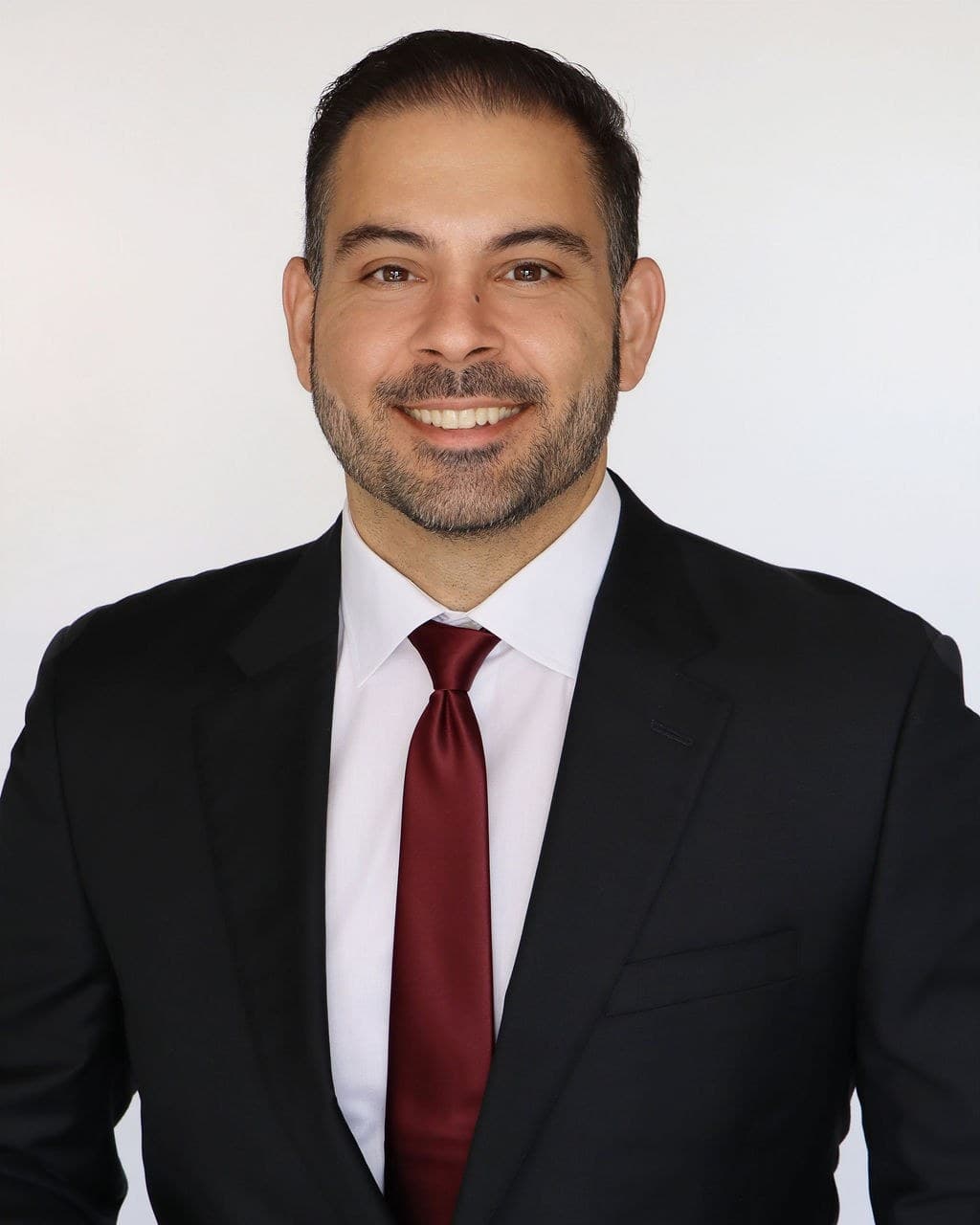
Eman Yazdchi, Esq., Certified Specialist in Workers' Compensation Law, California Board of Legal Specialization, State Bar of California.

California Board of Legal Specialization, State Bar of California

California Board of Legal Specialization, State Bar of California
- 14+
- Years of Practice
- 2,000+
- Cases handled over 14+ years
- $50M+
- Recovered over 14+ years
- 3
- Languages: English, Español, Farsi
Past results do not guarantee, warrant, or predict future cases. Each case is different and results depend on specific facts and circumstances.
Prepared by Yazdchi Law
How do first responder presumptions work in California workers comp?
A presumption starts the case with work causation assumed when the responder role, service, and medical condition fit the statute.
First responders carry risks that do not look like ordinary work. Fire, smoke, violence, emergency calls, blood exposure, shift strain, and repeated trauma can follow a worker for years. California gives some responders special presumptions for specific diseases and conditions.
A presumption does not mean the case is automatic. It means the worker gets a stronger starting point. Once the worker shows the job category and covered condition fit, the employer must bring real evidence to defeat the work connection.
The details change by statute, job class, service period, and diagnosis. A firefighter, peace officer, sheriff's deputy, corrections officer, or other responder should get the exact statute checked before assuming coverage. Yazdchi Law can review the issue at (661) 273-1780.
What does a presumption change?
A presumption changes the causation fight by making the employer come forward with evidence against the work connection.
In an ordinary claim, the worker must prove the injury arose out of work. In a presumption case, the worker first shows qualifying employment and a covered condition. If those facts fit, the law presumes the condition arose out of employment unless the employer rebuts it.
The employer cannot defeat a presumption with a guess. The rebuttal usually needs medical proof that addresses the condition, exposure, risk factors, and statute. A QME or AME may become central. A thin report can be challenged through supplemental reporting, deposition, or trial.
The presumption also helps with claim value because causation is often the biggest fight. It does not remove disputes over disability, treatment, apportionment, or return to work.
Which responders may be covered?
Covered roles vary by statute and can include firefighters, peace officers, sheriff staff, police, corrections, and other listed public safety workers.
The Labor Code 3212 series contains several presumption rules. Each rule has its own worker categories. Some apply to firefighters. Some apply to peace officers or law enforcement roles. Some include other listed public safety workers. Clerical or noncovered roles may be excluded even inside a public safety agency.
That is why the job title is not enough. The actual duties, employer, service dates, and statute matter. A worker should save appointment letters, job descriptions, duty statements, pay records, academy records, and retirement or separation documents.
Which conditions are commonly involved?
Common presumption conditions include heart trouble, hernia, pneumonia, cancer, bloodborne disease, tuberculosis, meningitis, and other listed diseases.
Labor Code 3212 includes heart trouble, hernia, and pneumonia for listed public safety workers. Other statutes in the same series address cancer, bloodborne infectious disease, tuberculosis, meningitis, Lyme disease, and related conditions for certain roles.
Do not rely on a broad internet list. The exact diagnosis matters. Cancer presumptions, for example, can turn on the type of cancer, exposure proof, and statutory wording. Bloodborne disease claims may turn on contact with blood or body fluids. Heart trouble claims may turn on medical proof that the diagnosed condition fits the statute.
The worker should request complete medical records, pathology reports, lab results, imaging, exposure records, and incident reports. The more exact the diagnosis, the easier it is to apply the right presumption.
How can the employer rebut the presumption?
The employer rebuts with specific medical and factual evidence, not a bare statement that age, lifestyle, or genetics caused the condition.
Rebuttal is often the real case. The employer may point to smoking, family history, prior disease, non-work exposure, weight, age, or other risk factors. Those facts may matter, but the medical report must do more than list them.
A strong rebuttal explains why the covered work did not cause the condition under the statute. A weak rebuttal states conclusions. The worker's lawyer may request a supplemental report, cross-examine the doctor, or present competing medical proof.
Apportionment under Labor Code 4663 can still arise when permanent disability is rated. That is separate from whether the presumption establishes industrial causation in the first place.
What benefits can a presumption claim include?
A successful presumption claim can include medical care, wage replacement, permanent disability, death benefits, mileage, and retraining when applicable.
The presumption helps prove the condition is work-related. Once that is established, benefit categories follow the usual workers' comp system. Serious diseases can involve long treatment, time off, permanent restrictions, or survivor benefits.
| Benefit | What it pays in 2026 |
|---|---|
| Temporary disability | Two-thirds of your wage, $264.61 to $1,764.11 per week, up to 104 weeks (Labor Code 4656) |
| Permanent disability | Two-thirds of your wage, $160 to $290 per week, set by your rating (Labor Code 4658) |
| Medical care | 100 percent of approved care, no copay (Labor Code 4600) |
| Medical mileage | 72.5 cents per mile to your appointments |
| Job retraining voucher | $6,000 if you cannot return to your old job (Labor Code 4658.7) |
| Death benefits | $250,000 to $320,000 to dependents, plus $10,000 burial (Labor Code 4702) |
| Surviving dependents | Death benefit (2026) |
|---|---|
| One total dependent | $250,000 |
| Two total dependents | $290,000 |
| Three or more total dependents | $320,000 |
| Burial expenses (added) | Up to $10,000 |
What deadlines should first responders watch?
Diagnosis date, last day worked, claim notice, filing, and medical-review dates can all matter in a presumption claim.
Some presumptions may extend after service ends for a limited period. The exact rule depends on the statute and the responder's service. Do not wait for the department or insurer to explain it. Save diagnosis dates and separation records early.
| Step | Deadline | Law |
|---|---|---|
| Report injury to your employer | Within 30 days | Labor Code 5400 |
| File your workers' comp claim | Within 1 year | Labor Code 5405 |
| Insurer must accept or deny | Within 90 days | Labor Code 5402 |
| First disability check | Within 14 days | Labor Code 4650 |
| Appeal a denied treatment | Within 30 days | Labor Code 4610.5 |
What should a responder do after diagnosis?
After diagnosis, save the medical proof, confirm the job category, report the claim, and get the right presumption checked.
Start with the diagnosis. Keep the lab report, imaging report, pathology report, hospital note, or specialist note. Ask for the exact medical name. The exact diagnosis can change which rule applies.
Next, save work proof. Keep duty records, job descriptions, pay records, badge or appointment records, retirement papers, and any exposure logs. These records show service and job class. They also help if the employer says the worker did not fit the statute.
Then report the claim in writing. Keep it short. Name the diagnosis and the job. Ask for a claim form. Keep a copy of the report and the claim form. Delay gives the employer more room to argue about dates.
What makes the presumption record stronger?
The record is stronger when the diagnosis, service dates, job duties, exposure history, and medical opinions all point the same way.
Small records can help. Old annual physicals may show a clean baseline. Exposure reports may show smoke, blood, trauma, or chemical contact. Incident reports may show the kind of calls or events the worker handled.
Family history and personal risk factors should not be hidden. The employer may use them. A good doctor can still explain why the job fits the statute. Honest facts make the report harder to attack.
If the employer sends a denial, read the reason. Some denials attack job class. Some attack diagnosis. Some attack causation. Each reason needs a different answer.
Results in cases like this
Every case is different. Past results do not guarantee, warrant, or predict a similar outcome.
$5,000,000
Catastrophic spinal cord injury
$1,500,000
Cervical spine injury
$425,000
Slip and fall accident
Find Out What Your Case May Be Worth
Two minutes. No fee unless we win; costs may apply.
Question 1 of 5
What type of injury do you have?
Not ready to fill this out? Just call (661) 273-1780 and we’ll ask the same questions by phone.
Free Consultation
Call or send the short form. We review your case, explain your rights, and outline your options. Free, no obligation.
We Build Your Case
We gather medical evidence, handle the insurance company, and file all the workers' comp court (WCAB) paperwork for you.
We Pursue Every Benefit
Medical care, lost wages, and permanent disability benefits. No fee unless we win your case; costs may apply.
How does Yazdchi Law handle responder presumption claims?
The firm checks the worker category, statute, diagnosis, service dates, medical proof, rebuttal evidence, and Southern California WCAB venue.
Greater LA first responder claims may involve local fire, police, sheriff, corrections, emergency medical, and public safety agencies. Venue may involve Van Nuys, Los Angeles, Long Beach, Pomona, San Bernardino, Riverside, or Oxnard.
Eman Yazdchi is a Certified Specialist in workers' compensation law, certified by the California Board of Legal Specialization, State Bar of California. Yazdchi Law reviews the presumption fit before the employer's doctor frames the disease as personal. Call (661) 273-1780 after diagnosis, denial, retirement, or a QME notice.
Injured at work? Talk it through for free.
Most claims must be filed within one year under Labor Code section 5405. A free call tells you where your clock stands.
Frequently Asked Questions
Does a presumption mean the claim is automatically won?
Which Labor Code sections cover first responder presumptions?
Can retired first responders use presumptions?
Can the employer blame lifestyle factors?
Do presumption claims need a QME?
What records help a presumption claim?
Can a presumption claim include death benefits?
When should a first responder call a lawyer?
What if the employer says my role is not covered?
What if my diagnosis appeared after I retired?
Should I wait for the department to file paperwork?
Free case evaluation
Get your free case evaluation
Three fields. We respond within one business day.
Talk to a Certified Specialist
Certified Specialist in Workers' Compensation Law, California Board of Legal Specialization, State Bar of California.
Takes 30 seconds. No obligation.
Eman really knows his stuff and we were very pleased with our end result.
I am glad and so very pleased...he made happen what no other attorney could do. So far he has proven his weight in gold.
Client testimonials. Testimonials are not a guarantee, warranty, or prediction of the outcome of your case.