
California · Workers' Compensation
What Is California Labor Code §3212.15 (First-Responder PTSD Presumption)?
Hurt at work? Workers' comp pays for medical care and part of your lost pay while you heal. A free call tells you where you stand.
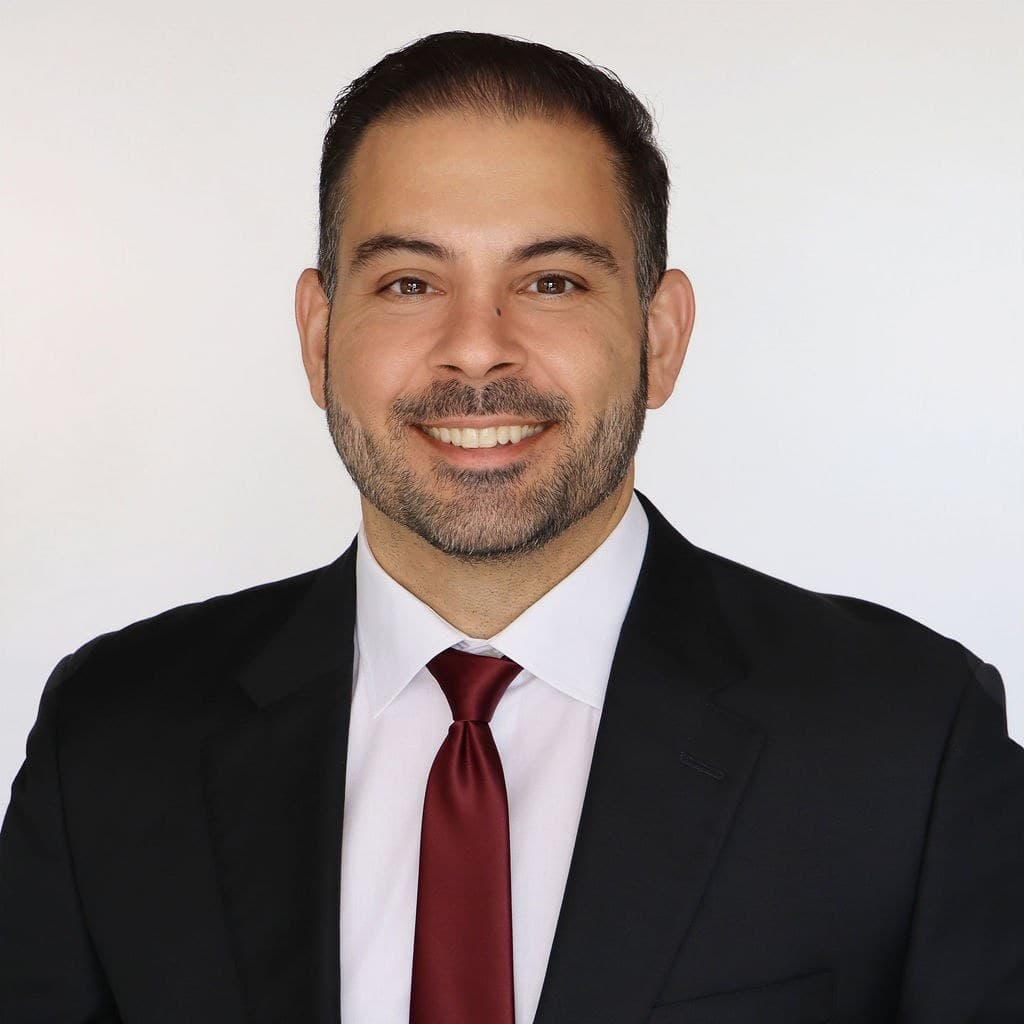
Eman Yazdchi, Esq., Certified Specialist in Workers' Compensation Law, California Board of Legal Specialization, State Bar of California.


California Board of Legal Specialization, State Bar of California
California Board of Legal Specialization, State Bar of California
- 14+
- Years of Practice
- 2,000+
- Cases handled over 14+ years
- $50M+
- Recovered over 14+ years
- 3
- Languages: English, Español, Farsi
Past results do not guarantee, warrant, or predict future cases. Each case is different and results depend on specific facts and circumstances.
Prepared by Yazdchi Law
(a) This section applies to all of the following: (1) Active firefighting members, whether volunteers, partly paid, or fully paid, of all of the following fire departments: (A) A fire department of a city, county, city and county, district, or other public or municipal corporation or political subdivision. (2) Active firefighting members of a fire department that serves a United States Department of Defense installation.
What does Labor Code 3212.15 establish?
Labor Code 3212.15 creates a rebuttable work-causation presumption for PTSD in listed first-responder jobs.
PTSD claims are usually hard psychiatric injury cases. Labor Code 3212.15 changes the starting point for listed first responders. If the worker fits the covered class and has the required PTSD diagnosis, the condition is presumed to arise out of and occur in the course of employment unless the employer proves otherwise.
The statute is not automatic approval for every stress claim. It applies to post-traumatic stress disorder, diagnosed under the most recent DSM, for workers in the listed categories and service periods.
The presumption can be powerful, but the details still matter. Eman Yazdchi is a Certified Specialist in workers' compensation law, certified by the California Board of Legal Specialization, State Bar of California.
Who is covered by the PTSD presumption?
Covered workers include listed firefighters, peace officers, and fire-rescue services coordinators, with some category details added by current law.
The statute covers many active firefighting members. That includes city, county, district, University of California, California State University, Cal Fire, county forestry, certain federal-installation firefighters, NASA-installation firefighters, and covered commercial-airport firefighters for injuries on or after January 1, 2026. It also covers listed peace officers who mainly do active law enforcement work. It also covers fire-rescue services coordinators for the Office of Emergency Services.
Because coverage depends on job classification and duties, the worker should bring job descriptions, appointment papers, duty statements, and service dates.
Job title alone may not be enough. Duties matter. Dates matter too.
Keep it simple. Prove the job first. Then prove the diagnosis.
What diagnosis is required?
The worker needs PTSD diagnosed under the most recent DSM by a qualified mental-health professional.
A general diagnosis of anxiety, depression, burnout, or stress may not be enough. The statute is aimed at PTSD. The medical report should identify DSM criteria, symptoms, trauma exposure, functional impact, and the timing of development or manifestation.
If the carrier disputes diagnosis, the issue may go to a psychiatric QME or AME. The evaluator should apply the presumption correctly rather than treating the case like an ordinary psychiatric injury claim.
How long does the presumption last after service ends?
The presumption extends after service for three months per full year of qualifying service, capped at 60 months.
Delayed PTSD is common in public-safety work. Labor Code 3212.15 accounts for that by extending the presumption beyond the last day actually worked in the covered capacity. The extension is limited, so the worker still needs a careful date review.
Service dates, separation date, diagnosis date, and first manifestation date should all be collected. The extension can decide whether the presumption applies.
How can the employer rebut the presumption?
The employer may rebut with evidence that the PTSD is not industrial or does not meet the statutory requirements.
The presumption is disputable. The carrier may argue the worker is outside the covered class, lacks six months of service, lacks a qualifying DSM PTSD diagnosis, is outside the post-service extension, or has a non-industrial cause.
The worker's response is built from records: job proof, exposure history, mental-health records, incident reports, peer-support contacts, leave records, and a medical-legal report that applies the presumption. The statute is scheduled to sunset January 1, 2029 unless extended.
Results in cases like this
Every case is different. Past results do not guarantee, warrant, or predict a similar outcome.
$5,000,000
Catastrophic spinal cord injury
$1,500,000
Cervical spine injury
$425,000
Slip and fall accident
Find Out What Your Case May Be Worth
Two minutes. No fee unless we win; costs may apply.
Question 1 of 5
What type of injury do you have?
Not ready to fill this out? Just call (661) 273-1780 and we’ll ask the same questions by phone.
Free Consultation
Call or send the short form. We review your case, explain your rights, and outline your options. Free, no obligation.
We Build Your Case
We gather medical evidence, handle the insurance company, and file all the workers' comp court (WCAB) paperwork for you.
We Pursue Every Benefit
Medical care, lost wages, and permanent disability benefits. No fee unless we win your case; costs may apply.
Injured at work? Talk it through for free.
Most claims must be filed within one year under Labor Code section 5405. A free call tells you where your clock stands.
Frequently Asked Questions
Does Labor Code 3212.15 cover every first responder?
What diagnosis is needed?
Can the employer dispute the PTSD presumption?
How long does the presumption last after leaving work?
Does the six-month service rule always apply?
Free case evaluation
Get your free case evaluation
Three fields. We respond within one business day.
Talk to a Certified Specialist
Certified Specialist in Workers' Compensation Law, California Board of Legal Specialization, State Bar of California.
Takes 30 seconds. No obligation.
Very thankful for everything they did for us. Always responsive, reassured us every step of the way and obtained a great result.
Eman by far exceeds the basic requirements other lawyers give to clients and surpasses all expectations.
Client testimonials. Testimonials are not a guarantee, warranty, or prediction of the outcome of your case.