
Northridge, California · Workers' Compensation
Back Injury Workers' Comp Lawyer in Northridge, California
Hurt at work in Northridge? Workers' comp pays for medical care and part of your lost pay while you heal. A free call tells you where you stand.
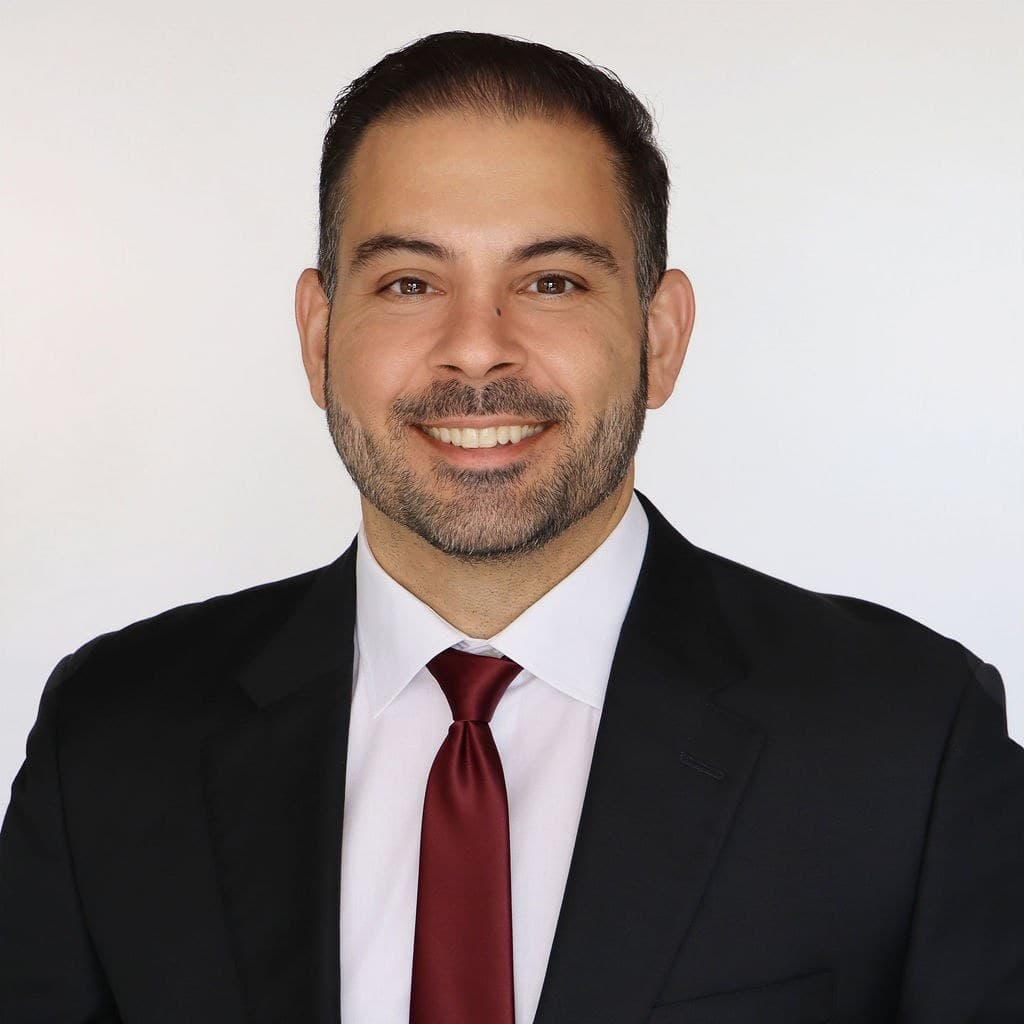
Eman Yazdchi, Esq., Certified Specialist in Workers' Compensation Law, California Board of Legal Specialization, State Bar of California.


California Board of Legal Specialization, State Bar of California
California Board of Legal Specialization, State Bar of California
- 14+
- Years of Practice
- 2,000+
- Cases handled over 14+ years
- $50M+
- Recovered over 14+ years
- 3
- Languages: English, Español, Farsi
Past results do not guarantee, warrant, or predict future cases. Each case is different and results depend on specific facts and circumstances.
Prepared by Yazdchi Law
Did you hurt your back at a Northridge job? Right now you are probably stressed about rent, about keeping your position, and about whether your spine will recover. Slow down for a second. California law is on your side, and getting it to work for you costs nothing out of pocket.
When your back is hurt doing your job, the insurer has to cover your treatment in full. It also pays two-thirds of your wages while you heal, plus a cash award if the damage lasts. That holds true whether you lift patients at Northridge Hospital or restock shelves at the Fashion Center. The same is true if you run a line in a Roscoe Boulevard shop or frame houses across the Valley. You never pay for your own MRI or surgery. The claims adjuster does.
Three steps to take today:
- Report it to your supervisor in writing. A quick text or email works. Write "I hurt my back at work" and add the date.
- Request the DWC-1 claim form. Your employer must hand it over within one working day. If they drag their feet, call us at (661) 273-1780. A stall like that can itself break the rules.
- Get to a doctor and say work caused it. That locks the cause into your record. Do not let the insurer's chosen doctor be the first one you see.
Do you have a back injury case in Northridge?
Probably yes. If a Northridge job hurt your back, you can get covered medical care, wage checks during recovery, and a cash award for any lasting harm.
Nearly every injured worker starts with one question: is my case real? If your back was damaged while you did your job, the answer is usually yes. It makes no difference whether a single bad lift caused it or years of the same grind broke it down. Both are covered in California. What matters most is acting fast: report it within 30 days and see a doctor who records that work is the cause. From there, we take over.
Back claims are among the most common we handle out of the San Fernando Valley. A few kinds of local work drive them. Nurses and aides lift patients at Northridge Hospital. Grounds and facilities crews keep CSUN running. Stockroom and kitchen staff move freight around the Fashion Center. Your claim carries the same rights every California worker holds, whatever your immigration status.
How does workers' comp work for a back injury?
It pays your medical bills, covers two-thirds of your wages while you are off, and adds a cash award if your back never fully heals. You pay nothing toward it.
One rough day, or years of grind? Both are covered.
California recognizes two types of work-related back injury. A specific injury strikes on a single day: you slip, twist wrong, or take a fall. A cumulative injury, sometimes called a build-up, develops over months or years of the same strain. That includes lifting patients, hauling stock, bending into framing work, or sitting through long vibrating shifts.
Both types are covered. The statute that treats a build-up injury as work-related is Labor Code §3208.1. It does not demand a single accident. A separate section fixes your date of injury for a build-up claim. That date is the day you first felt the disability and knew, or should have known, that work caused it. Often it is the visit where a doctor first connects your worn spine to your job.
How much is a Northridge back-injury claim worth?
It depends on your lasting damage, your age, how hard your job is, and your future care. Minor strains often settle in the low five figures, while surgical fusions can reach six figures.
The honest answer is that no one can name a figure up front, and anyone who does is guessing. Your award rides on a handful of things. How badly your back is permanently damaged, scored as your permanent disability rating. Your age. How physically demanding your job is. And the future medical care your spine will need.
How a rating becomes money: once your back reaches maximum recovery, a doctor scores the damage as a percentage under the AMA Guides. For injuries from 2013 on, §4660.1 applies a 1.4 multiplier, then adjusts the figure for your age and occupation. That number can move up or down. Physically heavy jobs tend to land a higher rating. The final percentage decides how many weeks of permanent disability payments you receive.
The ranges below are general California figures, tied to the same rating mechanism described above. Treat them as a starting point, not a quote on your case.
| Injury | Typical permanent-disability rating | Approximate value range |
|---|---|---|
| Minor strain or sprain | 0% to 5% | $2,000 to $20,000 |
| Herniated disc, no surgery | 5% to 15% | $20,000 to $70,000 |
| Disc injury with surgery | 15% to 30% | $70,000 to $180,000 |
| Single-level fusion | 20% to 40% | $120,000 to $300,000 |
| Multi-level fusion or catastrophic | 40% and up | $300,000 and up |
These are general California ranges, not a prediction. Your actual award depends on your disability rating, age, occupation, and future medical care. Past results do not guarantee future outcomes.
Across its cases, our firm has recovered as much as $5,000,000 for a catastrophic spinal-cord injury and $1,500,000 for a cervical-spine injury. Past results do not guarantee future outcomes, since every spine and every job is different. For a straight, no-cost read on yours, call (661) 273-1780.
How does the insurer try to shrink my payout?
By blaming your bad back on your age or an old injury rather than your job. That tactic is called apportionment. The law forces their doctor to prove the split.
The hardest-fought issue on most Valley back claims is apportionment. The insurer claims part of your damaged back comes from aging, a prior injury, or ordinary wear, not from your work. Every percent they tag to other causes is a percent they get to skip paying. So this argument is really a fight over your money.
Labor Code §4663(a): "Apportionment of permanent disability shall be based on causation."
Guessing is not allowed. The same statute requires the rating doctor to lay out the specific how and why. That means how much of your disability traces to work, how much to other things, and the medical reason for the split. A doctor who simply says "half of this is arthritis" without explaining the how and why has not met the standard. And the employer is only responsible for the portion your work actually caused.
In Escobedo v. Marshalls, a 2005 WCAB en banc decision, the board addressed this directly. An insurer may apportion to an old, painless condition such as quiet disc wear. It needs substantial medical evidence that lays out the how and why. We turn that rule back on them. We make their doctor justify every percentage point, and we challenge any panel QME opinion that cuts corners. For an older aerospace machinist or a longtime framer, a botched apportionment call can swing the award by tens of thousands.
Who covers your treatment and lost pay
By law, the insurer covers every treatment you need from the date of injury: specialist visits, surgery, physical therapy, imaging, and medication. No deductibles, no copays. While your back keeps you off work, temporary disability replaces two-thirds of your average weekly wage, up to the state's weekly maximum. Those checks can run for up to 104 weeks within a five-year window. Once your lasting damage is rated and the case wraps up, you receive weekly permanent disability payments for the full rated percentage.
What if the insurer denies or delays my claim?
A denial is not the end. It is where the fight starts. You get protected medical care while they decide, and 30 days to appeal a denied treatment.
After you file the DWC-1, the insurer gets 90 days to accept or deny your claim. Blow past that deadline, and the law presumes your injury is covered. Meanwhile, up to $10,000 in treatment is owed right away, so they cannot freeze your care during the investigation. If they reject a treatment your surgeon ordered, such as a lumbar fusion, you can appeal through Independent Medical Review within 30 days. And if your employer fires you or slashes your hours for filing, that is illegal retaliation under §132a. You may recover your job, your lost pay, and a 50% increase to your award, capped at $10,000.
How long do I have to file in Northridge?
Report the injury within 30 days, and file your claim within one year. For a build-up injury, the clock does not start until a doctor ties your back to your work.
Two clocks run at once, and missing either hands the insurer an opening. Notify your employer within 30 days. File the formal claim within one year of the injury. For a build-up injury, the law decides when that one-year clock even begins. It starts the day you both feel the disability and know, or should know, that work caused it.
| What you do | Deadline | Law |
|---|---|---|
| Tell your employer in writing | 30 days from injury | §5400 |
| File your claim | 1 year from injury | §5405 |
| Build-up injury clock starts | When you feel it and know it is work-related | §5412 |
| Insurer must accept or deny | 90 days from filing | §5402 |
| Appeal a denied treatment | 30 days from the denial | §4610.5 |
Not sure which clock applies to you? One free call clears it up: (661) 273-1780.
Results in cases like this
Every case is different. Past results do not guarantee, warrant, or predict a similar outcome.
$5,000,000
Catastrophic spinal cord injury
$1,500,000
Cervical spine injury
$300,000
Failed back syndrome
Find Out What Your Northridge Case May Be Worth
Two minutes. No fee unless we win; costs may apply.
Question 1 of 5
What type of injury do you have?
Not ready to fill this out? Just call (661) 273-1780 and we’ll ask the same questions by phone.
Free Consultation
Call or send the short form. We review your case, explain your rights, and outline your options. Free, no obligation.
We Build Your Case
We gather medical evidence, handle the insurance company, and file all the workers' comp court (WCAB) paperwork for you.
We Pursue Every Benefit
Medical care, lost wages, and permanent disability benefits. No fee unless we win your case; costs may apply.
What is special about back claims at the Van Nuys WCAB?
It handles a steady stream of back claims from Valley healthcare, university, retail, and aerospace workers. Eman Yazdchi appears there often and knows its judges and doctors.
Where is the Van Nuys WCAB, and who does it cover?
San Fernando Valley back claims go to the Van Nuys district office of the Workers' Compensation Appeals Board, at 6150 Van Nuys Boulevard. The district takes in Northridge, Reseda, Canoga Park, Woodland Hills, Granada Hills, Chatsworth, Van Nuys, and the rest of the Valley. Yazdchi Law appears there regularly on lumbar disc, fusion, and build-up back cases. Related: Northridge construction-injury claims and our California healthcare-worker injury hub.
Which Northridge jobs cause the most back claims?
The local work that grinds hardest on the spine drives most of the cases we see:
- Healthcare: nurses, CNAs, and aides at Northridge Hospital Medical Center, where lifting and turning patients wears down lumbar and cervical discs.
- University: facilities, grounds, custodial, and food-service staff at CSU Northridge, who lift, haul, and bend through long shifts.
- Retail and food service: stockroom, warehouse, and kitchen crews at the Northridge Fashion Center and nearby stores, hurt by repeat lifting and slip-and-falls.
- Aerospace and light manufacturing: assembly and machining crews on the Roscoe and Plummer corridor and the West Valley's aerospace legacy, whose discs wear over the years.
- Construction trades: framers, drywallers, and concrete crews across the Valley, who build cumulative disc and shoulder damage from overhead nailing and rebar.
How does the apportionment fight play out in the Valley?
Valley insurers raise apportionment in almost every back case, because so many workers carry years of wear on their spines. The dispute runs through a Qualified Medical Evaluator drawn from a state panel. When you have a lawyer, the state sends three names. Each side strikes one, so the doctor left standing matters enormously. We know the local QME pool and strike with care. Sometimes both sides instead agree on a single Agreed Medical Evaluator. The state posts the QME directory here. Related: Northridge cumulative-trauma claims.
Hurt lifting patients at Northridge Hospital?
Nurses and aides at Northridge Hospital are protected by California's safe patient-handling law. If the hospital failed to keep a trained lift team or the right equipment in place, that matters. Such a lapse helps show your injury came from your job. In serious cases it can support a serious-and-willful misconduct claim, which carries a higher award but a high burden of proof. Related: California healthcare-worker injury claims.
What does a Northridge back-injury lawyer cost?
Nothing up front, and nothing unless we win. California sets workers' comp fees through the judge, usually 12 to 15 percent of what we recover for you.
You never pay us by the hour, and nothing comes out of pocket to begin. In California workers' comp, the WCAB judge sets the attorney fee. It usually runs 12 to 15 percent of your award or settlement, and only if we win. No recovery means no fee. That way a framer or a hospital aide gets the same caliber of representation as anyone else.
About your attorney
Eman Yazdchi is a Certified Specialist in Workers' Compensation Law, certified by the California Board of Legal Specialization, State Bar of California (CA Bar #285231). Only a small fraction of California attorneys carry this credential. He has represented hundreds of injured California workers and appears regularly at the Van Nuys WCAB. More about Eman Yazdchi. Verify his State Bar profile.
Nearby San Fernando Valley cities we serve
Injured at work in Northridge? Talk it through for free.
Most claims must be filed within one year under Labor Code section 5405. A free call tells you where your clock stands.
Back Injury Questions in Northridge, CA
Do I qualify if my back pain built up slowly instead of from one accident?
How do I file a back-injury claim in Northridge?
Can my employer fire me for filing a workers' comp claim?
Can I get workers' comp if I am undocumented?
What if the insurer denies the back surgery my doctor ordered?
What is apportionment, and how does it lower my award?
How long does a back-injury claim take to settle?
Should I take a Stipulated Award or a Compromise and Release?
How much of my settlement do I keep after the attorney fee?
Free case evaluation
Get your free Northridge case evaluation
Three fields. We respond within one business day.
Talk to a Certified Specialist
Certified Specialist in Workers' Compensation Law, California Board of Legal Specialization, State Bar of California.
Takes 30 seconds. No obligation.
Eman by far exceeds the basic requirements other lawyers give to clients and surpasses all expectations.
Eman really knows his stuff and we were very pleased with our end result.
Client testimonials. Testimonials are not a guarantee, warranty, or prediction of the outcome of your case.