
California · Workers' Compensation
What Counts as Serious and Willful Misconduct in California Workers Comp?
Hurt at work? Workers' comp pays for medical care and part of your lost pay while you heal. A free call tells you where you stand.
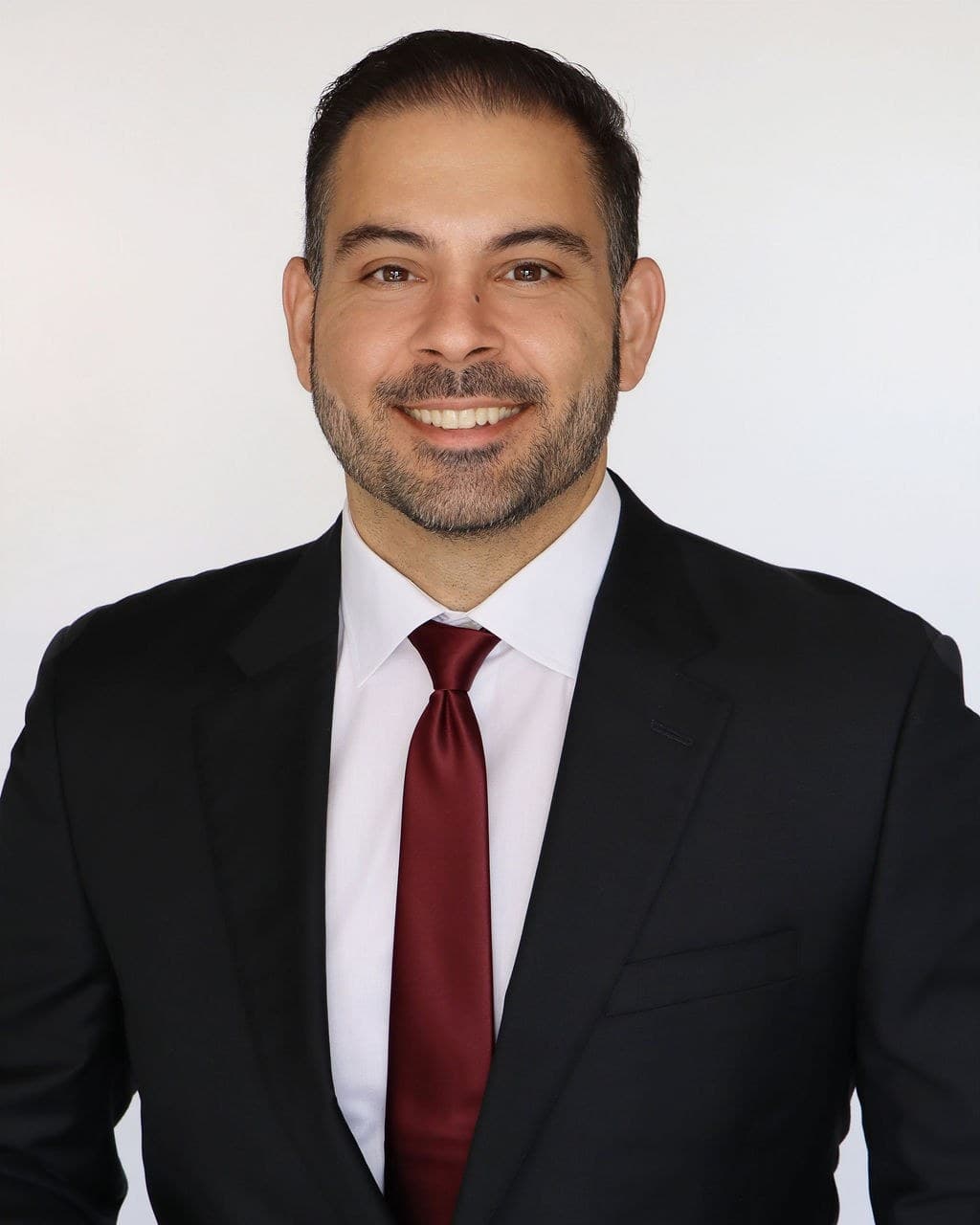
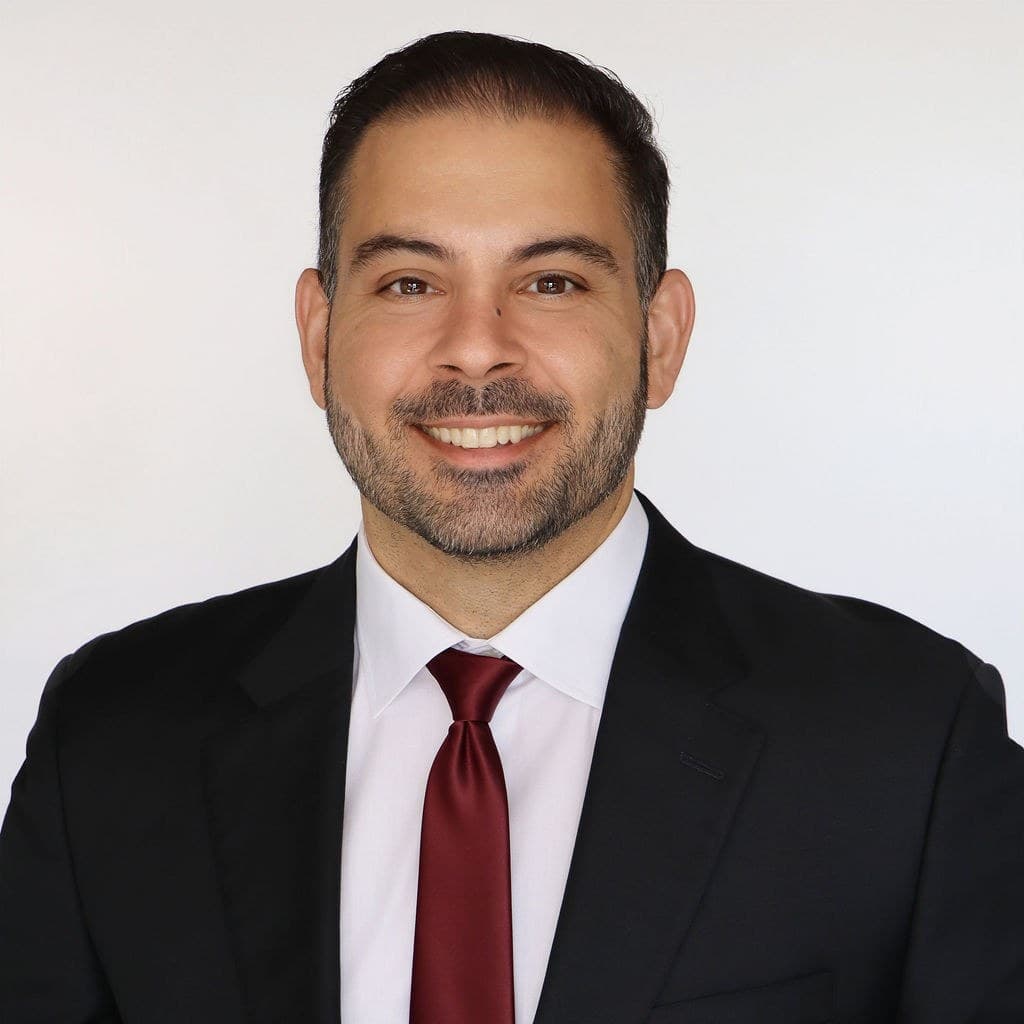
Eman Yazdchi, Esq., Certified Specialist in Workers' Compensation Law, California Board of Legal Specialization, State Bar of California.

California Board of Legal Specialization, State Bar of California
California Board of Legal Specialization, State Bar of California
- 14+
- Years of Practice
- 2,000+
- Cases handled over 14+ years
- $50M+
- Recovered over 14+ years
- 3
- Languages: English, Español, Farsi
Past results do not guarantee, warrant, or predict future cases. Each case is different and results depend on specific facts and circumstances.
Prepared by Yazdchi Law
What counts as serious and willful misconduct?
It is employer conduct that goes beyond a mistake, such as knowingly ignoring a serious safety hazard that then injures a worker.
A serious and willful claim is not part of every injury case. It is for the worse safety facts. The employer must have known about a real danger and failed to act in a way that shows more than simple neglect.
Common examples include missing guards, repeated forklift near misses, ignored heat rules, unsafe trench work, locked exits, broken fall gear, or a machine left in service after warnings. Each case turns on proof.
Eman Yazdchi is a Certified Specialist in Workers Compensation Law, certified by the California Board of Legal Specialization, State Bar of California. This page explains what proof matters.
What is the legal standard?
Labor Code 4553 adds a penalty when serious and willful misconduct by the employer caused the worker injury.
The standard is higher than ordinary negligence. A bad choice, a rushed job, or poor training may not be enough by itself. The worker must show that the employer knew of the dangerous condition, or should be charged with that knowledge through a supervisor or safety role.
The claim is filed at the WCAB with the injury case. It is a separate issue from ordinary benefits. Medical care, wage loss, and permanent disability still move through the normal claim path while the serious and willful issue is built.
The benefit figures belong in the standard table. The penalty applies to indemnity, not medical care.
| Benefit | What it pays in 2026 |
|---|---|
| Temporary disability | Two-thirds of your wage, $264.61 to $1,764.11 per week, up to 104 weeks (Labor Code 4656) |
| Permanent disability | Two-thirds of your wage, $160 to $290 per week, set by your rating (Labor Code 4658) |
| Medical care | 100 percent of approved care, no copay (Labor Code 4600) |
| Medical mileage | 72.5 cents per mile to your appointments |
| Job retraining voucher | $6,000 if you cannot return to your old job (Labor Code 4658.7) |
| Death benefits | $250,000 to $320,000 to dependents, plus $10,000 burial (Labor Code 4702) |
What facts often support the claim?
Strong cases usually have prior warnings, prior injuries, safety complaints, bad equipment, or a supervisor who knew about the hazard.
The best proof tends to exist before the injury. It may be a prior Cal OSHA citation. It may be a safety meeting note. It may be an email about a broken machine. It may be a complaint from a worker who almost got hurt the same way.
Coworkers can matter a lot. They may know who complained. They may know how long the hazard existed. They may know whether a supervisor saw the same danger. Their names should be saved early.
How do Cal OSHA records help?
Cal OSHA records can show the hazard, the rule that was broken, and whether the employer had notice before the injury.
A citation is not required. But it can be strong proof. The file may include photos, witness notes, the inspection story, and abatement orders. Repeat or willful findings can be important because they point to notice and choice.
Do not wait too long to seek records. Some proof fades fast. Equipment gets repaired. Job sites change. Workers move on. A preservation letter can help protect the documents and video that matter.
What does not count by itself?
A normal workplace mistake, without proof of known danger or conscious disregard, usually does not meet this high standard.
Many injuries happen because someone was careless. That may still be a valid work comp claim. It may not be a serious and willful claim. The extra claim needs proof of a known serious hazard and a deliberate failure to protect workers.
The difference matters. Filing a weak serious and willful claim can distract from the main case. Filing a strong one can add major leverage. The evidence should drive the choice.
How does this fit with other benefits?
The worker can pursue the serious and willful issue while also seeking medical care, wage loss, rating, and settlement of the main claim.
The main claim should not be ignored. Treatment must continue. Wage checks must be tracked. The QME process may still decide disability. A serious and willful claim adds another issue, but it does not replace the basic work comp case.
Retaliation is also illegal. Labor Code 132a protects workers who are punished for filing a claim. That is a different issue from serious and willful misconduct. The facts should be kept separate.
What records should I gather now?
The best serious and willful claim record is built early, with job proof, medical proof, wage proof, and clear notes about what changed.
Start with the basics. Save Cal OSHA papers, photos of the hazard, repair logs, safety meeting notes, training sheets, witness names, and messages to supervisors. Keep the papers in date order if you can. A simple folder on your phone can help. Take screenshots before messages disappear. Write names with job titles, not just first names.
Medical proof should be clear and practical. Keep every work status slip. Keep every report that lists restrictions. Keep visit summaries and referral notes. If a doctor writes something wrong, ask how to correct it. Small errors can grow into large disputes later.
Wage proof also matters. Save pay stubs, direct deposit records, tip records, time cards, mileage notes, and missed-work calendars. Benefit disputes often turn on dates and wages. A clean record makes the claim easier to explain.
Do not edit records or guess at facts. If you are unsure about a date, say so. A careful timeline is better than a perfect-sounding story that later proves wrong. The goal is to make the record honest, complete, and easy for a judge or doctor to follow.
What mistakes should I avoid?
Avoid rushed choices, vague medical histories, missing documents, and settlement talks before the key serious and willful claim facts are checked.
The largest mistake is treating a bad accident as enough proof by itself. The law asks what the employer knew before the injury. The case needs proof of notice. It also needs proof that the employer chose not to fix a serious danger.
A second mistake is waiting to collect proof. Machines get repaired. Warning signs get changed. Video can be erased. Coworkers can leave. A fast preservation letter and a clear witness list can protect the claim.
Another mistake is using legal words before the facts are clear. Plain facts win these disputes. What job did you do? What did the doctor restrict? What did the employer know? What changed after the injury? Those answers should come before argument.
Also avoid signing broad papers without review. A release, resignation, voucher clause, or settlement term can close rights you still need. Ask questions before signing. Keep a copy of every page you sign.
How can a lawyer help without making the case harder?
A lawyer can organize the proof, ask the right medical questions, and bring the serious and willful claim issue to the WCAB when the insurer will not fix it.
Good representation should make the claim clearer. It should not turn every issue into a fight. The first job is to sort the facts. The second job is to decide which dispute matters most. Some issues need a letter. Some need a QME question. Some need a hearing.
Yazdchi Law focuses on practical next steps. That may mean getting treatment moving, correcting a report, filing a petition, preparing for deposition, or checking whether settlement terms protect the worker. The plan should fit the injury, the job, and the worker goals.
The consultation is free. The worker should bring claim numbers, adjuster letters, medical reports, job offers, denial letters, and any settlement papers. Clear documents let the review move faster and help identify the first useful step.
Results in cases like this
Every case is different. Past results do not guarantee, warrant, or predict a similar outcome.
$5,000,000
Catastrophic spinal cord injury
$1,500,000
Cervical spine injury
$425,000
Slip and fall accident
Find Out What Your Case May Be Worth
Two minutes. No fee unless we win; costs may apply.
Question 1 of 5
What type of injury do you have?
Not ready to fill this out? Just call (661) 273-1780 and we’ll ask the same questions by phone.
Free Consultation
Call or send the short form. We review your case, explain your rights, and outline your options. Free, no obligation.
We Build Your Case
We gather medical evidence, handle the insurance company, and file all the workers' comp court (WCAB) paperwork for you.
We Pursue Every Benefit
Medical care, lost wages, and permanent disability benefits. No fee unless we win your case; costs may apply.
Where does Yazdchi Law handle this issue?
Yazdchi Law handles California work comp disputes from Palmdale and uses the proper Greater Los Angeles WCAB venue for each claim.
Most readers of this guide work in Los Angeles County, the Antelope Valley, the Inland Empire, or nearby parts of Southern California. A claim may be heard at Van Nuys, Los Angeles, Long Beach, Pomona, San Bernardino, Riverside, or Oxnard. The right venue depends on the worker, the employer, and the claim file.
Local proof still matters in a statewide system. Job duties, commute limits, clinic notes, wage records, and witness names can decide a serious and willful dispute. Keep texts, emails, job offers, pay stubs, work notes, and medical papers in one place.
Eman Yazdchi is a Certified Specialist in Workers Compensation Law, certified by the California Board of Legal Specialization, State Bar of California. Call (661) 273-1780 for a free consultation.
Injured at work? Talk it through for free.
Most claims must be filed within one year under Labor Code section 5405. A free call tells you where your clock stands.
Frequently Asked Questions
Is every safety violation serious and willful?
Do I need a Cal OSHA citation?
Who pays the serious and willful penalty?
Does the penalty increase medical care?
Can a supervisor knowledge count?
What should I save after the injury?
Can I bring this claim after the main case starts?
Is this the same as retaliation?
What should I bring to a consultation?
Can I handle this without a lawyer?
Free case evaluation
Get your free case evaluation
Three fields. We respond within one business day.
Talk to a Certified Specialist
Certified Specialist in Workers' Compensation Law, California Board of Legal Specialization, State Bar of California.
Takes 30 seconds. No obligation.
Eman at Yazdchi Law was extremely professional, responsive, and supportive at all times. He and his staff exceeded all of my expectations.
A fighting force both consistent and compassionate on a scale’s a 5 all around.
Client testimonials. Testimonials are not a guarantee, warranty, or prediction of the outcome of your case.