
California · Workers' Compensation
Labor Code 3600 AOE COE No-Fault Rule
Hurt at work? Workers' comp pays for medical care and part of your lost pay while you heal. A free call tells you where you stand.
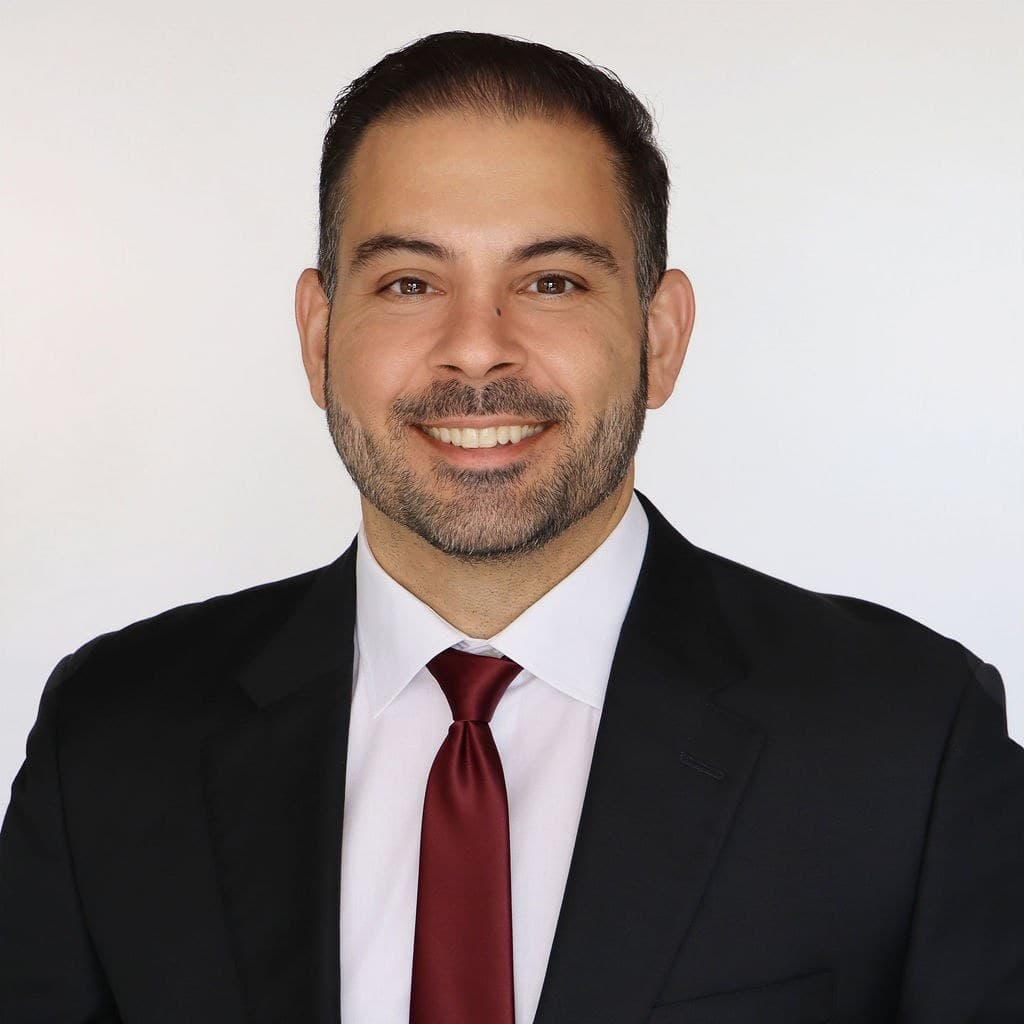
Eman Yazdchi, Esq., Certified Specialist in Workers' Compensation Law, California Board of Legal Specialization, State Bar of California.


California Board of Legal Specialization, State Bar of California
California Board of Legal Specialization, State Bar of California
- 14+
- Years of Practice
- 2,000+
- Cases handled over 14+ years
- $50M+
- Recovered over 14+ years
- 3
- Languages: English, Español, Farsi
Past results do not guarantee, warrant, or predict future cases. Each case is different and results depend on specific facts and circumstances.
Prepared by Yazdchi Law
The statute makes an employer liable for workers' compensation benefits, without regard to negligence, when the injury meets the listed work-connection rules.
What Labor Code 3600 Does
Labor Code 3600 asks two core questions. Did the injury arise out of the employment? Did it happen in the course of the employment?
Workers and claims adjusters often shorten those questions to AOE and COE. AOE is about cause. COE is about time, place, and job activity.
The rule is no fault. A worker usually does not need to prove the employer made a mistake. A back strain from lifting, a fall at work, or a shoulder injury from repeated job tasks may be covered even when no safety rule was broken.
AOE: Work Cause
AOE means the job caused or contributed to the injury. Work does not have to be the only cause. It must be a real cause.
This issue often turns on medical proof. The doctor should explain how job tasks, a work event, or work exposure caused or worsened the condition. If the insurer says the problem is personal or old, the medical report should address that point directly.
COE: Work Time and Activity
COE asks whether the worker was doing something tied to the job when the injury happened. A fall during a shift at the worksite is often clear. Travel, parking lots, remote work, breaks, training, and work errands may need a closer look.
The facts matter. Who required the activity? Who benefited from it? Where did it happen? Was it a normal part of the job? Those answers help decide whether the injury was in the course of employment.
Limits and Defenses
The no-fault rule has limits. The statute lists defenses that can block coverage in narrow cases, such as intoxication, intentional self-injury, some fights, felony-related injuries, and certain voluntary off-duty recreation.
Simple worker error is different. A claim should not be denied just because the worker moved too fast, forgot a step, or already had a weak body part. The carrier needs a real legal defense or a valid work-cause dispute.
Examples of AOE COE Fights
AOE and COE disputes often start with everyday facts. A delivery worker may be hurt during a route. A nurse may be hurt moving a patient. A remote worker may be hurt while doing assigned work at home. A worker may be hurt in a parking lot before a shift.
The answer depends on details. The same body part can be covered in one case and disputed in another. Required travel is different from a normal commute. A job errand is different from a personal errand.
The worker should write down the task, location, time, witnesses, and supervisor instructions. Those facts help the doctor and lawyer explain why the injury belongs in the workers' compensation system.
Why the First Report Matters
The first report often shapes the claim. It should name the body parts, the task, and the place where the injury happened.
If symptoms changed after the first report, the medical record should explain that. A later body part or delayed symptom can still be real, but it needs a clear medical history.
Results in cases like this
Every case is different. Past results do not guarantee, warrant, or predict a similar outcome.
$5,000,000
Catastrophic spinal cord injury
$1,500,000
Cervical spine injury
$425,000
Slip and fall accident
Find Out What Your Case May Be Worth
Two minutes. No fee unless we win; costs may apply.
Question 1 of 5
What type of injury do you have?
Not ready to fill this out? Just call (661) 273-1780 and we’ll ask the same questions by phone.
Free Consultation
Call or send the short form. We review your case, explain your rights, and outline your options. Free, no obligation.
We Build Your Case
We gather medical evidence, handle the insurance company, and file all the workers' comp court (WCAB) paperwork for you.
We Pursue Every Benefit
Medical care, lost wages, and permanent disability benefits. No fee unless we win your case; costs may apply.
What to Save
Save the injury report, denial letter, witness names, photos, job-duty notes, and medical reports. These records help answer both AOE and COE.
Write a short timeline. Include the task, location, time, supervisor instructions, symptoms, first treatment, and any later work restrictions.
How the Firm Reviews AOE COE Disputes
Yazdchi Law reviews the denial letter, job duties, witness facts, medical history, injury report, and doctor opinions. The goal is to build a clear work-connection record.
That review can help with denied claims, delayed treatment, cumulative trauma disputes, travel issues, and claims blamed on a prior condition.
Eman Yazdchi is a Certified Specialist in Workers' Compensation Law, California Board of Legal Specialization, State Bar of California. For a California workers' compensation claim review, call (661) 273-1780.
Injured at work? Talk it through for free.
Most claims must be filed within one year under Labor Code section 5405. A free call tells you where your clock stands.
Frequently Asked Questions
Do I have to prove my employer was negligent?
Usually no. Workers compensation is generally no fault when the injury is connected to the job and the statutory conditions are met.
What does AOE mean?
AOE means arising out of employment. It asks whether work caused or contributed to the injury.
What does COE mean?
COE means in the course of employment. It asks whether the injury happened during work or while doing something tied to the job.
Can a mistake by the worker defeat the claim?
A simple mistake usually does not defeat a claim. The carrier needs a real defense or a valid reason the injury is not work related.
Can an old condition still be covered?
Yes. Work may aggravate or worsen a prior condition. The medical report should explain how work contributed.
What should I do after an AOE COE denial?
Save the denial, medical reports, witness names, job-duty notes, and injury report. Then get advice before assuming the denial is final.
Free case evaluation
Get your free case evaluation
Three fields. We respond within one business day.
Talk to a Certified Specialist
Certified Specialist in Workers' Compensation Law, California Board of Legal Specialization, State Bar of California.
Takes 30 seconds. No obligation.
I am glad and so very pleased...he made happen what no other attorney could do. So far he has proven his weight in gold.
Eman at Yazdchi Law was extremely professional, responsive, and supportive at all times. He and his staff exceeded all of my expectations.
Client testimonials. Testimonials are not a guarantee, warranty, or prediction of the outcome of your case.