
Seal Beach, California · Workers' Compensation
Denied Workers' Compensation Claim in Seal Beach, California
Hurt at work in Seal Beach? Workers' comp pays for medical care and part of your lost pay while you heal. A free call tells you where you stand.
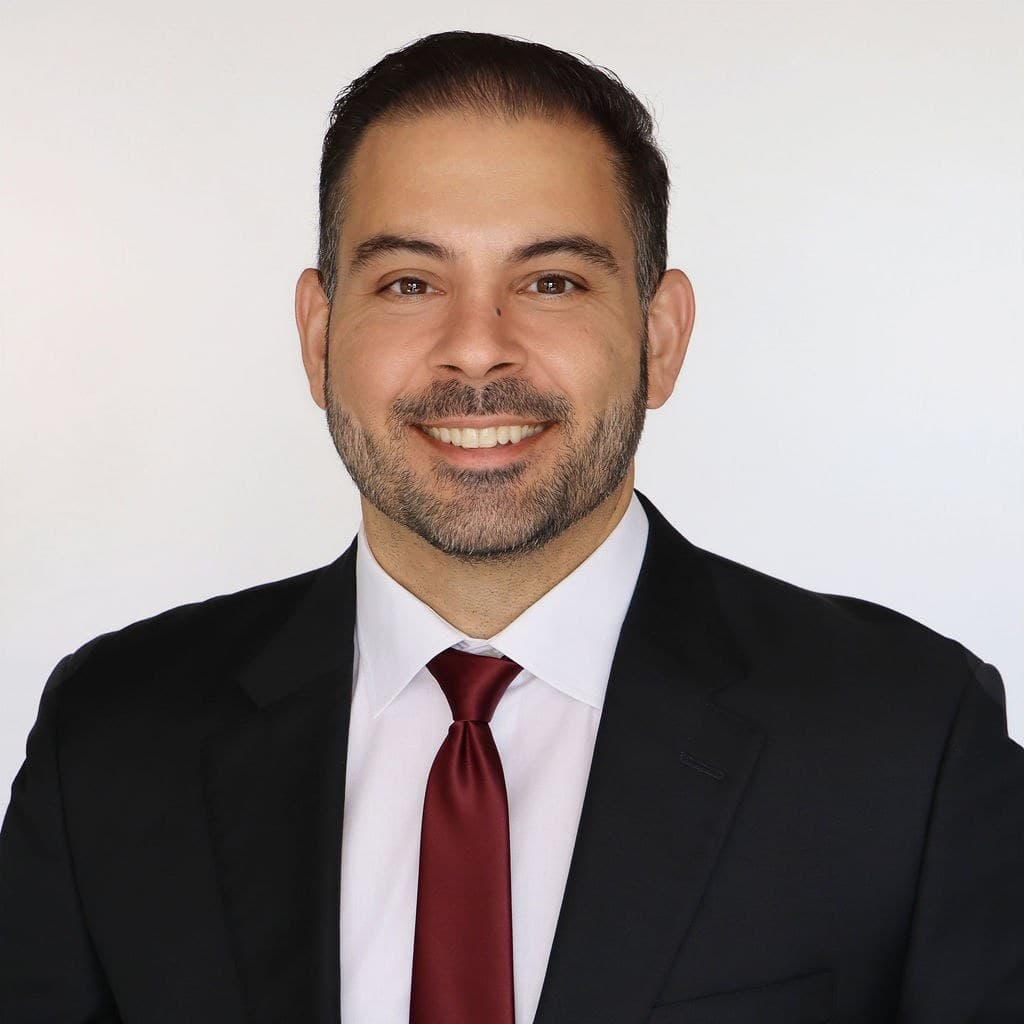
Eman Yazdchi, Esq., Certified Specialist in Workers' Compensation Law, California Board of Legal Specialization, State Bar of California.


California Board of Legal Specialization, State Bar of California
California Board of Legal Specialization, State Bar of California
- 14+
- Years of Practice
- 2,000+
- Cases handled over 14+ years
- $50M+
- Recovered over 14+ years
- 3
- Languages: English, Español, Farsi
Past results do not guarantee, warrant, or predict future cases. Each case is different and results depend on specific facts and circumstances.
Prepared by Yazdchi Law
A Seal Beach worker can be hurt on a dockside support job, inside an aerospace office, at a Leisure World service site, at a restaurant near Main Street, or while driving between Orange County job stops. When the claim is denied, the letter often feels final. It is not. The insurer has made a position statement. The worker can still file, prove the injury, and ask a workers' compensation judge to decide the disputed issues.
Seal Beach cases must be routed with care. The proper WCAB venue for these Orange County coastal denial disputes is commonly the Long Beach district office. There is no Seal Beach WCAB. That is especially important for workers tied to Naval Weapons Station Seal Beach contractors, Boeing Seal Beach, Old Town hospitality, Los Alamitos area schools, and maintenance jobs that cross city lines. The right filing path prevents a venue mistake from becoming another delay.
What does a Seal Beach denial really mean?
A denial means the carrier has refused the claim or a treatment request, but the worker can still challenge the decision through the correct Long Beach WCAB or IMR process.
A full claim denial says the insurer does not accept the injury as work-related. It may blame age, arthritis, a weekend activity, lack of witnesses, or a late report. A treatment denial is narrower. It may say the claim exists, but a requested MRI, injection, therapy, surgery, or specialist visit is not medically necessary. These denials require different responses. The wrong path can waste the short window to act.
Labor Code section 5402(b) is the 90-day rule: if the carrier does not reject liability within 90 days after the DWC-1 claim form is filed, the injury is presumed compensable.
For a Seal Beach worker, the proof often starts with the job setting. A Naval Weapons Station contractor may have badge logs, safety reports, and federal-site paperwork. A Boeing office worker may need ergonomic history and records showing repetitive work. A server near the pier may have witnesses and a first report after a slip. A Leisure World maintenance worker may need photos, route sheets, and lifting details. Eman Yazdchi works to turn those facts into a record that can be used at the Long Beach WCAB.
How is a Seal Beach denial challenged?
The challenge starts by identifying the type of denial, filing the WCAB case for a full denial, and preserving IMR rights for treatment refusals.
The first task is classification. If the carrier denied the entire injury, the worker usually needs an Application for Adjudication at the WCAB, medical-legal evaluation, and a timeline that compares the DWC-1 date to the denial date. If the carrier denied treatment through Utilization Review, the worker usually needs Independent Medical Review. The two tracks can run near each other, but they are not the same. A global denial is about whether workers' comp must cover the injury. A treatment denial is about whether a specific request meets medical standards.
In a full denial, medical causation is central. The doctor must explain why the job caused or aggravated the condition. That report should match the real work. A Seal Beach warehouse worker who lifts uneven loads needs a different explanation than an office analyst with years of keyboard and mouse work. A hospitality worker who slips near the pier needs a clean accident timeline. A school or campus worker may need witness statements, incident reports, and job duty forms. The best files are built in plain, dated steps.
| Question | Seal Beach answer |
|---|---|
| Correct WCAB venue | Seal Beach denial disputes route to the Long Beach WCAB. |
| Wrong venue to avoid | Do not invent a Seal Beach board or local hearing office. |
| Key rule | Labor Code section 5402(b) measures 90 days from the DWC-1 filing. |
| Common work settings | Naval station contractors, Boeing, Main Street hospitality, Leisure World services, and school work. |
Insurers often rely on a short claim note rather than the full job story. They may say the worker had no single accident, but California recognizes cumulative trauma. They may say a condition is degenerative, but work can still aggravate a condition. They may say the worker waited too long, but late reporting needs context. Some workers keep working because they fear losing shifts. Others report pain to a lead person but never receive a DWC-1. Those facts belong in the record.
The 90-day rule can change leverage. It requires a careful date review, not guesswork. The file should show when the worker filed the claim form, when the employer or carrier had it, and when liability was actually rejected. If the carrier had the facts early but waited, the worker may have a stronger position. If the denial was timely, the case can still be won with medical proof, witness testimony, and job evidence. The deadline is one tool, not the whole case.
What can be recovered if the denial is beaten?
A successful challenge can reopen medical care, wage replacement, permanent disability, future care, and penalties when benefits were unreasonably delayed.
A denial can harm a worker long before a judge rules. Treatment may stop. Paychecks may disappear. A worker may use personal health insurance or pay cash for care. If the denial is reversed, the claim can move back toward medical treatment, temporary disability, permanent disability, and future medical care. The result depends on the body parts, wage history, doctor reports, disability rating, and whether the worker can return to the regular job.
No result is automatic. A small strain claim and a surgical spine claim are not valued the same way. A denied cumulative trauma case may turn on a qualified medical evaluator's explanation of work exposure. A denied fall may turn on witness credibility. The practical job is to find the issue that will move the carrier or persuade the judge. Eman Yazdchi keeps the focus on evidence that changes outcomes, not on repeating legal phrases.
Timing also shapes the case. A worker who receives a denial should save the envelope, email, or portal notice because service dates can matter. The worker should also write down who received the first report at work and when the DWC-1 was returned. Those details are easy to forget after weeks of pain, missed work, and calls from the adjuster. A simple calendar can become strong evidence when the carrier later gives a different version of the claim history.
Results in cases like this
Every case is different. Past results do not guarantee, warrant, or predict a similar outcome.
$5,000,000
Catastrophic spinal cord injury
$1,500,000
Cervical spine injury
$425,000
Slip and fall accident
Find Out What Your Seal Beach Case May Be Worth
Two minutes. No fee unless we win; costs may apply.
Question 1 of 5
What type of injury do you have?
Not ready to fill this out? Just call (661) 273-1780 and we’ll ask the same questions by phone.
Free Consultation
Call or send the short form. We review your case, explain your rights, and outline your options. Free, no obligation.
We Build Your Case
We gather medical evidence, handle the insurance company, and file all the workers' comp court (WCAB) paperwork for you.
We Pursue Every Benefit
Medical care, lost wages, and permanent disability benefits. No fee unless we win your case; costs may apply.
Why do Seal Beach local facts matter?
Local facts show what the worker actually did, which employer records may exist, and why the Long Beach WCAB is the correct place to litigate the denial.
Seal Beach is small, but the work base is varied. A denial from a defense contractor job may involve access records, safety briefings, and layered supervisors. A Main Street restaurant injury may involve cameras, co-workers, and a manager's first report. A Leisure World service worker may have route logs and lifting tasks. A Boeing-related office claim may require ergonomic detail and a careful cumulative trauma history. Those facts help the medical evaluator understand the job in real life.
The Long Beach WCAB is the place to bring the disputed claim. The worker does not need to pretend there is a local board in Seal Beach. The case may still use medical providers near Los Alamitos, Long Beach, Huntington Beach, Fountain Valley, or other parts of Orange County and Los Angeles County. Venue and treatment location are separate issues. A clean plan keeps them separate.
Yazdchi Law reviews the denial letter, the DWC-1, the first medical notes, and the job facts before choosing the next move. Sometimes that move is an Application for Adjudication. Sometimes it is an IMR application. Sometimes it is a demand that the carrier explain the 90-day timeline. The important point is speed with accuracy. A Seal Beach worker should not lose the case because the insurer's first letter went unanswered.
Local medical proof can be just as important as venue. Emergency care may come from Los Alamitos, Long Beach, Huntington Beach, or Fountain Valley facilities. Follow-up care may be inside a medical provider network that is not close to home. The worker should keep every discharge summary, work status note, referral, and prescription record. Those papers show the injury path in real time. They also help separate a real work injury from the carrier's claim that the condition appeared out of nowhere.
Seal Beach workers should also document the job scene while memories are fresh. Photos of stairs, carts, gates, wet floors, workstations, loading areas, and tools can help later. So can names of co-workers who saw the incident or knew about repeated strain. A denial often arrives after the employer has already written its own version. The worker needs an equally clear record.
Injured at work in Seal Beach? Talk it through for free.
Most claims must be filed within one year under Labor Code section 5405. A free call tells you where your clock stands.
Frequently Asked Questions
Is there a Seal Beach WCAB for denied claims?
What is the first step after a Seal Beach denial?
How does the 90-day rule help?
What if my Seal Beach treatment was denied by UR?
Can a cumulative trauma claim be denied?
Can undocumented workers challenge a denial?
What benefits may come back after a denial?
Why hire Eman Yazdchi for a Seal Beach denial?
Free case evaluation
Get your free Seal Beach case evaluation
Three fields. We respond within one business day.
Talk to a Certified Specialist
Certified Specialist in Workers' Compensation Law, California Board of Legal Specialization, State Bar of California.
Takes 30 seconds. No obligation.
Eman by far exceeds the basic requirements other lawyers give to clients and surpasses all expectations.
Eman really knows his stuff and we were very pleased with our end result.
Client testimonials. Testimonials are not a guarantee, warranty, or prediction of the outcome of your case.