
Burbank, California · Workers' Compensation
Workers' Comp Settlement Lawyer in Burbank, California
Hurt at work in Burbank? Workers' comp pays for medical care and part of your lost pay while you heal. A free call tells you where you stand.
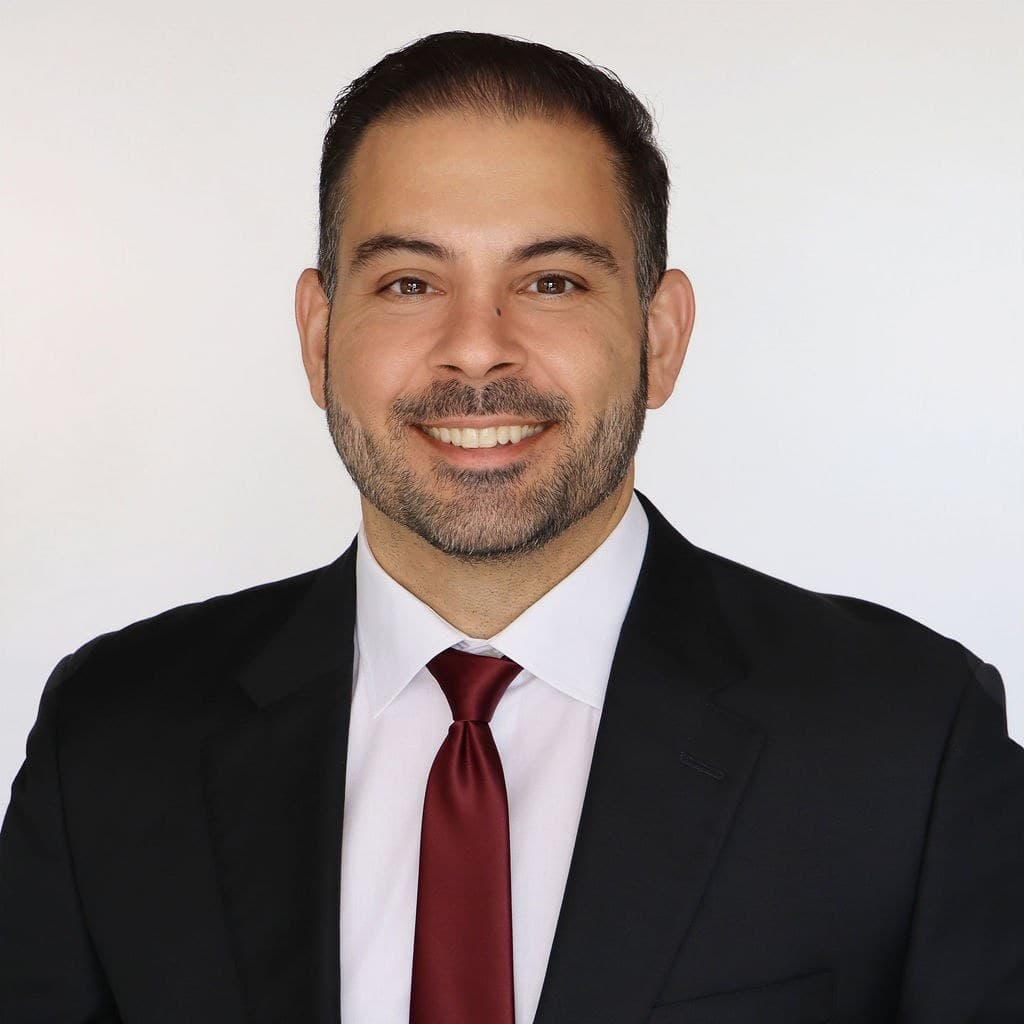
Eman Yazdchi, Esq., Certified Specialist in Workers' Compensation Law, California Board of Legal Specialization, State Bar of California.


California Board of Legal Specialization, State Bar of California
California Board of Legal Specialization, State Bar of California
- 14+
- Years of Practice
- 2,000+
- Cases handled over 14+ years
- $50M+
- Recovered over 14+ years
- 3
- Languages: English, Español, Farsi
Past results do not guarantee, warrant, or predict future cases. Each case is different and results depend on specific facts and circumstances.
Prepared by Yazdchi Law
What is a Burbank workers' comp settlement worth?
A Burbank claim is valued from disability rating, future care, job demands, unpaid benefits, and whether medical rights stay open.
When a Burbank worker asks what a workers' comp claim may be worth, the honest answer starts with the medical record, not with the insurance company's first number. A studio carpenter from Warner Bros, a ramp worker at Hollywood Burbank Airport, a nurse at Providence Saint Joseph, and a warehouse employee near the Empire Center can all have the same back diagnosis but very different settlement values. The difference is the rating, the physical job, the need for future care, and the proof that ties the injury to work.
The first offer is only a start. It may miss later care. It may miss the job strain. It may ignore unpaid checks. A fair review slows the choice down. It asks what closes and what stays open.
A settlement is not a bonus. It is a negotiated way to resolve benefits the California workers' compensation system already recognizes. The main parts are permanent disability. Future medical care. Temporary disability that was not paid correctly. Job voucher issues. Penalties for late payment. Liens. Some cases settle after the worker reaches maximum medical improvement. Others need a Qualified Medical Evaluator report, a deposition, or a mandatory settlement conference before the number is fair enough to discuss.
Burbank cases usually move through the Van Nuys Workers' Compensation Appeals Board. That matters because the judge must approve the settlement before it is binding. Eman Yazdchi is a Certified Specialist in Workers' Compensation Law, certified by the California Board of Legal Specialization, State Bar of California. The review focuses on whether the settlement protects the worker, whether the future medical buyout is realistic, and whether the paperwork says exactly what rights are being closed.
How do C&R and Stipulated Award change the settlement?
Compromise and Release buys out the whole claim; Stipulated Award pays disability while keeping future medical care open.
A Compromise and Release, often called a C&R, is usually a lump-sum settlement. It closes permanent disability, future medical care, and disputed issues in exchange for one payment after WCAB approval. For a Burbank grip with a shoulder tear who has finished surgery and wants finality, a C&R may make sense if the future care estimate is complete. The risk is simple: after approval, the worker usually pays for later treatment for that body part from the settlement.
A Stipulated Award works differently. The parties agree to a permanent disability rating and the insurer pays the award over time. Future medical care for the accepted injury stays open. This can be the better structure for a Providence Saint Joseph employee who still needs injections, therapy, medication, or a likely future operation. It can also help a worker who does not want to guess the cost of medical care years in advance.
Labor Code section 5001 is the settlement authority that makes judge approval central:
Labor Code section 5001 says: "No release of liability or compromise agreement is valid unless it is approved by the appeals board or referee."
The practical question is not which form sounds larger. It is which form protects the worker's real needs. The form should match the injury. It should match the care plan. It should match the worker's next job step. A Burbank airport baggage handler with a stable knee rating may value closure. A long-tenured set dresser with a spine injury and ongoing pain management may need open medical. The settlement should answer that choice directly, not bury it in forms.
What value ranges are realistic in California settlements?
Statewide ranges help set scale, but the actual Burbank number depends on rating evidence and future medical risk.
These are general California ranges, not a prediction. Your actual award depends on your disability rating, age, occupation, and future medical care. Past results do not guarantee future outcomes.
| Injury severity | Common settlement posture | General California range |
|---|---|---|
| Medical-only or short lost-time claim | Treatment is complete, no surgery, light or no permanent disability | $2,500 to $15,000 |
| Moderate permanent disability | QME report gives restrictions, future care is limited, worker can often return with changes | $15,000 to $75,000 |
| Surgical or multi-body-part claim | Operation, injections, lasting restrictions, or disputed apportionment changes the rating | $75,000 to $250,000 |
| Catastrophic disability | Severe spine, brain, nerve, or multi-system injury with high rating and major future care | $250,000 and up |
The table gives scale only. Use it with care. Do not treat it as a prediction. Do not treat it as a quote. The real number comes from the permanent disability rating. Age matters. Occupation matters. Weekly earnings matter. Apportionment matters. The medical reserve matters. A high-demand physical job can raise the rating impact of the same impairment. A strong apportionment defense can reduce it. A future surgery, pain management plan, durable medical equipment, or lifetime medication need can change the medical buyout more than the indemnity award itself.
For Burbank entertainment work, job detail matters. A set electrician climbs, lifts, pulls cable, and works overhead. A post-production employee may have a smaller physical demand profile but a serious repetitive wrist or neck claim. Airport and retail claims often turn on lifting, pushing carts, loading baggage, stocking, and walking on concrete. The settlement file should explain those facts in plain terms so the rating reflects the actual job.
What can raise or reduce the final settlement number?
The largest settlement movers are future care, apportionment, work restrictions, Medicare issues, liens, and attorney-fee approval.
Future medical care is often the hardest part of a Burbank settlement. This is where many rushed deals go wrong. Pain may return. A doctor may order new imaging. Work may make symptoms flare. The carrier may price future treatment low if the worker is young, still symptomatic, or has not seen the right specialist. The worker may need a realistic reserve for therapy, injections, medication, surgery, hardware removal, imaging, or flare-up care. In a Stipulated Award, that care remains the carrier's responsibility for the accepted injury. In a C&R, the medical buyout must be large enough to make closure sensible.
Medicare also matters. If the worker is on Medicare, expects Medicare soon, or has applied for Social Security Disability, the parties may need to consider Medicare's interest. That can mean a Medicare Set-Aside analysis or careful allocation of future medical funds. It is not a scare tactic. It is part of closing the case cleanly so later treatment bills do not create avoidable trouble.
Attorney fees in California workers' comp are not paid up front by the injured worker. They are reviewed and approved by the WCAB, commonly as a percentage of the settlement or award. The fee should appear clearly in the settlement papers. A worker should be able to see the gross settlement, approved fee, liens, advances, and estimated net payment before signing.
Results in cases like this
Every case is different. Past results do not guarantee, warrant, or predict a similar outcome.
$5,000,000
Catastrophic spinal cord injury
$1,500,000
Cervical spine injury
$425,000
Slip and fall accident
Find Out What Your Burbank Case May Be Worth
Two minutes. No fee unless we win; costs may apply.
Question 1 of 5
What type of injury do you have?
Not ready to fill this out? Just call (661) 273-1780 and we’ll ask the same questions by phone.
Free Consultation
Call or send the short form. We review your case, explain your rights, and outline your options. Free, no obligation.
We Build Your Case
We gather medical evidence, handle the insurance company, and file all the workers' comp court (WCAB) paperwork for you.
We Pursue Every Benefit
Medical care, lost wages, and permanent disability benefits. No fee unless we win your case; costs may apply.
How does the Van Nuys WCAB shape Burbank settlement strategy?
Burbank settlement strategy is local because the medical record, employer setting, and Van Nuys WCAB process all matter.
Burbank workers' comp settlements are normally handled through the Van Nuys WCAB, the district office serving San Fernando Valley claims. Mandatory settlement conferences move through that court. Rating disputes do too. So do trial settings and settlement approvals. A judge does not set the value by feel. The judge looks at the medical reports, rating evidence, settlement form, attorney-fee request, and whether the injured worker understands what is being released.
The local injury patterns are not abstract. Studio and production workers from Warner Bros, Disney, NBCUniversal, and smaller vendors often bring shoulder, neck, back, knee, hand, and cumulative trauma claims. Hollywood Burbank Airport workers bring lifting, slip, baggage, vehicle, and ramp injuries. Providence Saint Joseph workers bring patient-handling injuries. Empire Center retail and warehouse workers bring fall, stocking, repetitive use, and lifting claims. Those job facts help explain why one offer is fair and another is too low. They also make the page local. A Burbank case should sound like Burbank. It should not read like a form letter.
Before signing, a Burbank worker should know whether the settlement closes future medical care, whether Medicare has been addressed, whether all temporary disability was paid, whether the disability rating was checked, and what happens to liens. Keep the offer. Keep the rating report. Keep work slips. Keep denial letters. Ask simple questions. What is paid? What is closed? What is still open? Who pays for care later? Do not sign in a rush. Sleep on the offer if you can. Ask for the net number. Ask for the care plan. For a settlement review or a second look at an offer, call Yazdchi Law at (661) 273-1780.
Injured at work in Burbank? Talk it through for free.
Most claims must be filed within one year under Labor Code section 5405. A free call tells you where your clock stands.
Workers' Comp Settlement Questions in Burbank, CA
Should I take a Compromise and Release in a Burbank workers' comp case?
When is a Stipulated Award better than a lump sum?
Does the Van Nuys WCAB approve every settlement?
How does future medical care affect settlement value?
What is an MSA in a workers' comp settlement?
Can the insurer reduce value because of apportionment?
How are attorney fees handled in settlement?
Can I reject a low Burbank settlement offer?
Free case evaluation
Get your free Burbank case evaluation
Three fields. We respond within one business day.
Talk to a Certified Specialist
Certified Specialist in Workers' Compensation Law, California Board of Legal Specialization, State Bar of California.
Takes 30 seconds. No obligation.
Eman at Yazdchi Law was extremely professional, responsive, and supportive at all times. He and his staff exceeded all of my expectations.
A fighting force both consistent and compassionate on a scale’s a 5 all around.
Client testimonials. Testimonials are not a guarantee, warranty, or prediction of the outcome of your case.