
Glendale, California · Workers' Compensation
Workers' Comp Claim Denied in Glendale, California
Hurt at work in Glendale? Workers' comp pays for medical care and part of your lost pay while you heal. A free call tells you where you stand.
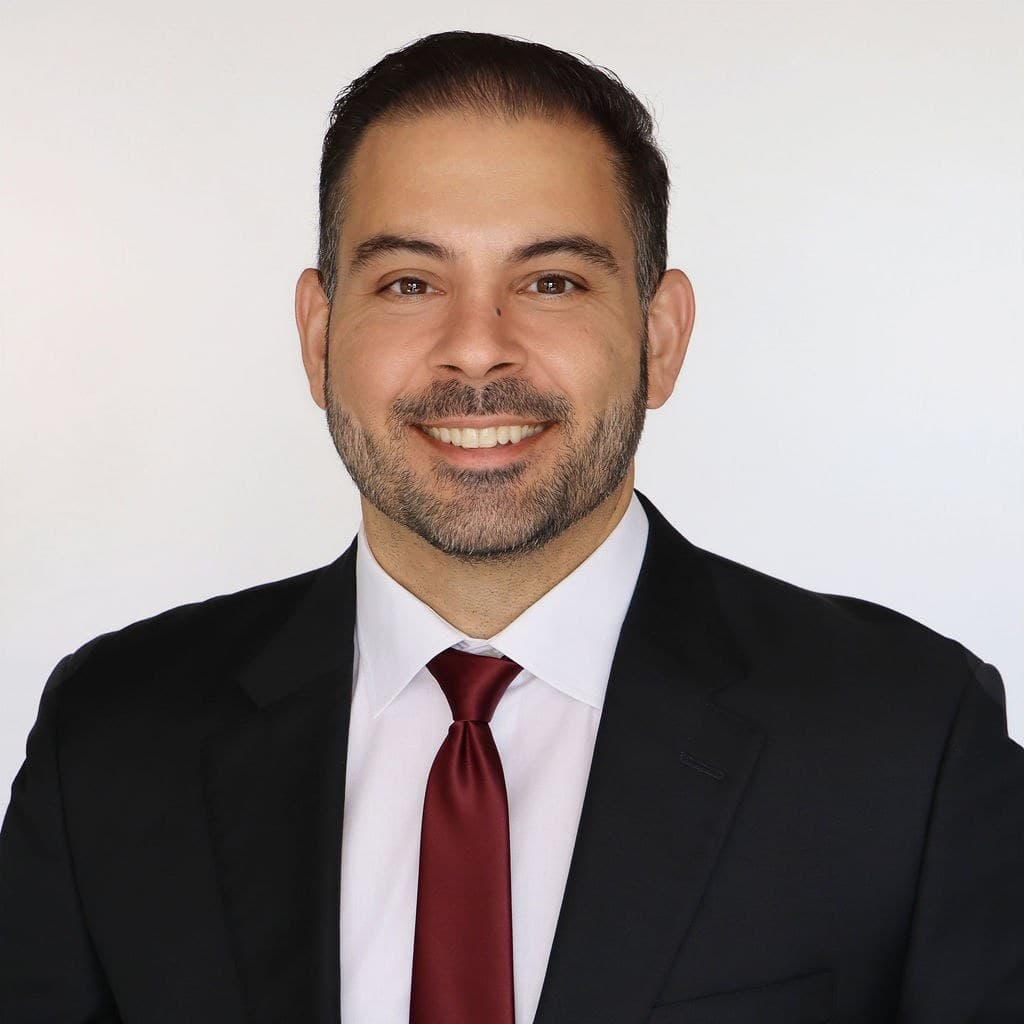
Eman Yazdchi, Esq., Certified Specialist in Workers' Compensation Law, California Board of Legal Specialization, State Bar of California.


California Board of Legal Specialization, State Bar of California
California Board of Legal Specialization, State Bar of California
- 14+
- Years of Practice
- 2,000+
- Cases handled over 14+ years
- $50M+
- Recovered over 14+ years
- 3
- Languages: English, Español, Farsi
Past results do not guarantee, warrant, or predict future cases. Each case is different and results depend on specific facts and circumstances.
Prepared by Yazdchi Law
A denial can feel personal. It can feel like the adjuster is calling you a liar. For a Glendale nurse, retail worker, driver, cook, hotel worker, or construction laborer, that letter can also mean no check, no doctor, and a lot of fear at home.
The denial is not the judge's last word. It is the insurance company's position. California gives injured workers ways to answer it. The first question is often timing. If the insurer had notice of your injury and waited too long, the 90-day rule may help. If the denial is really a treatment denial, Utilization Review and Independent Medical Review may control the next step.
Glendale claims often come from hospital work near Adventist Health Glendale, clinic and patient care around Verdugo Road, retail shifts at the Glendale Galleria, restaurant work near Brand Boulevard, delivery routes by the Americana, and set or design work tied to Disney Imagineering. These jobs can create different proof problems. A patient lift is different from a stockroom fall. A delivery crash is different from wrist pain after years at a register.
Yazdchi Law looks at the denial letter, the date your employer first knew, the DWC-1 claim form, doctor notes, witness names, and wage records. Then the case can be moved toward the Van Nuys district office of the Workers' Compensation Appeals Board, the office that handles many Glendale workers' comp disputes. The goal is simple: answer the denial with facts, medical proof, and the right process.
What a denied claim means in Glendale
A denial means the insurer refuses responsibility for now. It does not mean a judge has heard your proof or closed your case.
A denial letter usually says the injury did not happen at work, was reported late, was caused by a prior condition, or lacks medical proof. Sometimes the letter is broad and vague. Sometimes it points to one missing record. Read it, but do not treat it as the full truth.
In a Glendale healthcare claim, the carrier may say your back pain came from age, not patient lifting. In a Galleria retail claim, it may blame old wrist pain instead of scanning, folding, and stocking. In a Brand Boulevard kitchen claim, it may say the fall happened off the clock. Each reason needs a different answer.
Labor Code §5402 gives the employer a limited time to reject liability after knowledge of the injury, and it also allows medical treatment during the investigation period.
The 90-day rule matters because silence can help the worker. If the insurer misses the decision window after proper notice, the claim may be presumed covered. That does not mean every issue is over. It means the insurer may face a harder path when it tries to keep denying the case.
The 90-day rule and interim medical care
After notice, the insurer normally has 90 days to accept or deny. During review, medical care may still be owed.
The 90 days usually start after the employer has knowledge of the injury. The safest proof is a completed DWC-1 claim form, a written report to a supervisor, or a text or email that clearly says you were hurt at work. Verbal notice can matter, but written proof is easier to use.
While the carrier investigates, California law can require medical treatment up to $10,000. This is not a settlement. It is interim care while the insurance company decides whether to accept the claim. For a Glendale worker with a torn shoulder, a back injury, or a knee injury, that care can mean exams, medication, imaging, and early therapy.
| Issue | Rule | Why it matters |
|---|---|---|
| Claim decision | §5402 | The insurer usually must accept or deny within 90 days after notice. |
| Interim care | §5402(c) | Up to $10,000 in treatment may be owed during the review period. |
| Medical care | §4600 | Accepted work injuries receive reasonable medical treatment with no copays. |
| IMR deadline | §4610.5 | A treatment denial review often must be requested within 30 days. |
Save every paper. Keep the envelope if the denial came by mail. Take screenshots of claim portal messages. Write down the first day you told a lead, manager, charge nurse, foreman, or human resources. Dates can decide the fight.
Why insurers deny Glendale workers' comp claims
Insurers often deny claims over timing, causation, medical records, witnesses, or disputes about whether you were working when hurt.
Many denials are built on gaps. The adjuster may not have your urgent care note. The employer may give a short statement that leaves out your first report. A supervisor may say no one saw the accident. A doctor may write that your pain started weeks before the visit.
That does not always match real life. Workers often finish a shift because rent is due. A Glendale server may wait until the dinner rush ends. A hospital worker may help one more patient before asking for care. A warehouse worker near San Fernando Road may hope a sore back settles by Monday. Delay can be explained, but it must be explained clearly.
A clear response uses organized proof. List witnesses. Get the first medical record. Note body parts. Add photos of the job area when possible. Keep pay stubs to show your job and schedule. If the denial says you had a prior condition, gather records that show the job made it worse or lit it up.
UR, IMR, and treatment denials
Some disputes are not full claim denials. They are treatment denials, and those use UR and IMR deadlines.
Utilization Review, often called UR, is the insurer's medical review of a doctor's treatment request. It may approve, delay, change, or deny care. Independent Medical Review, often called IMR, is the next review for many UR denials. The deadline is short. Missing it can leave the treatment denial in place.
This matters in Glendale because a worker may hear the word denied and think the whole claim is lost. Sometimes the accepted claim remains open, but surgery, injections, therapy, or imaging is denied. That calls for a different response than a full claim denial.
Look at the letter title. If it says UR determination, focus on the IMR form and deadline. If it says claim denial or rejection of liability, focus on the claim form, 90-day timing, medical evidence, and filing at the Van Nuys WCAB if needed. The wrong response can waste precious time.
How to respond after a denial letter
Do not argue by phone only. Preserve proof, get medical support, track deadlines, and move the dispute into the right forum.
Start with the basics. Put the denial letter, claim form, medical records, wage proof, and employer messages in one folder. Write a short timeline. Include the job task, the date, the person you told, the clinic you saw, and what the adjuster sent.
Next, keep treating if you can. Tell every doctor that the injury happened at work and explain how. Do not add guesses. Do not hide prior injuries. A prior back problem, knee problem, or shoulder problem does not always defeat a claim. The question is whether work caused, worsened, or sped up the need for care.
Then decide whether the case needs an Application for Adjudication at the Van Nuys WCAB. That filing opens a case with the board. It can lead to a medical-legal exam, settlement talks, a conference, or trial. A judge can decide whether the denial should stand.
What Yazdchi Law reviews first
The first review checks timing, notice, medical proof, employer defenses, UR papers, and whether the WCAB case should be opened.
Yazdchi Law starts with the denial reason, then tests it against the evidence. If the denial is late, timing becomes central. If the denial blames a prior injury, medical causation becomes central. If the denial says no work event happened, witness and job records become central.
Attorney Eman Yazdchi is a Certified Specialist in Workers' Compensation Law by the California Board of Legal Specialization, State Bar of California. That certification matters because denied claims are often document fights. Small details can change the result, including service dates, doctor wording, QME requests, and whether the dispute is really UR or a full claim denial.
The firm does not promise an outcome. No honest lawyer should. The work is to build the record, meet deadlines, and put your case in a stronger position under the facts.
Results in cases like this
Every case is different. Past results do not guarantee, warrant, or predict a similar outcome.
$5,000,000
Catastrophic spinal cord injury
$1,500,000
Cervical spine injury
$425,000
Slip and fall accident
Find Out What Your Glendale Case May Be Worth
Two minutes. No fee unless we win; costs may apply.
Question 1 of 5
What type of injury do you have?
Not ready to fill this out? Just call (661) 273-1780 and we’ll ask the same questions by phone.
Free Consultation
Call or send the short form. We review your case, explain your rights, and outline your options. Free, no obligation.
We Build Your Case
We gather medical evidence, handle the insurance company, and file all the workers' comp court (WCAB) paperwork for you.
We Pursue Every Benefit
Medical care, lost wages, and permanent disability benefits. No fee unless we win your case; costs may apply.
Local Glendale proof that can matter
Glendale claims often turn on job details from healthcare, retail, restaurant, delivery, entertainment, and construction work across the city.
Local facts make a denial less abstract. A patient lift near Adventist Health Glendale has different witnesses than a fall at the Glendale Galleria. A delivery injury near the Americana at Brand may involve route logs, app records, traffic reports, or dash footage. A Verdugo Road clinic injury may involve charge nurse notes and patient assignments. A Brand Boulevard restaurant burn may involve prep sheets, time records, and coworker statements.
Glendale also has many workers who speak Armenian, Spanish, Tagalog, Korean, Farsi, or another home language. You should not let language pressure make you sign a statement you do not understand. Interpreters can be requested for legal and medical-legal steps. Clear translation helps keep the facts straight.
Many Glendale denied claims are handled through the Van Nuys district WCAB. That local office is where a disputed claim can be set for conferences and hearings after filing. The board is not the insurance company. It is the forum where the worker and insurer bring evidence to a judge.
If you work near the 134, the 2, San Fernando Road, Brand Boulevard, Central Avenue, Verdugo Road, or the Galleria and Americana area, your proof may be in normal work records. Schedules, badge swipes, delivery logs, camera locations, incident reports, and clinic notes can all matter. The sooner those facts are gathered, the harder they are to erase or forget.
Injured at work in Glendale? Talk it through for free.
Most claims must be filed within one year under Labor Code section 5405. A free call tells you where your clock stands.
Denied Claim Questions in Glendale, CA
Is my Glendale workers' comp case over if it was denied?
What is the 90-day rule for a denied claim?
Can I get medical care while the insurer investigates?
What if my treatment was denied but my claim was accepted?
Where are Glendale denied workers' comp claims heard?
Why did the insurer say my injury was not work related?
Can I challenge a denial if I kept working after the injury?
Should I call the adjuster after a denial?
Free case evaluation
Get your free Glendale case evaluation
Three fields. We respond within one business day.
Talk to a Certified Specialist
Certified Specialist in Workers' Compensation Law, California Board of Legal Specialization, State Bar of California.
Takes 30 seconds. No obligation.
Very thankful for everything they did for us. Always responsive, reassured us every step of the way and obtained a great result.
Eman by far exceeds the basic requirements other lawyers give to clients and surpasses all expectations.
Client testimonials. Testimonials are not a guarantee, warranty, or prediction of the outcome of your case.