
Fontana, California · Workers' Compensation
Workers' Comp Claim Denied Lawyer in Fontana, California
Hurt at work in Fontana? Workers' comp pays for medical care and part of your lost pay while you heal. A free call tells you where you stand.
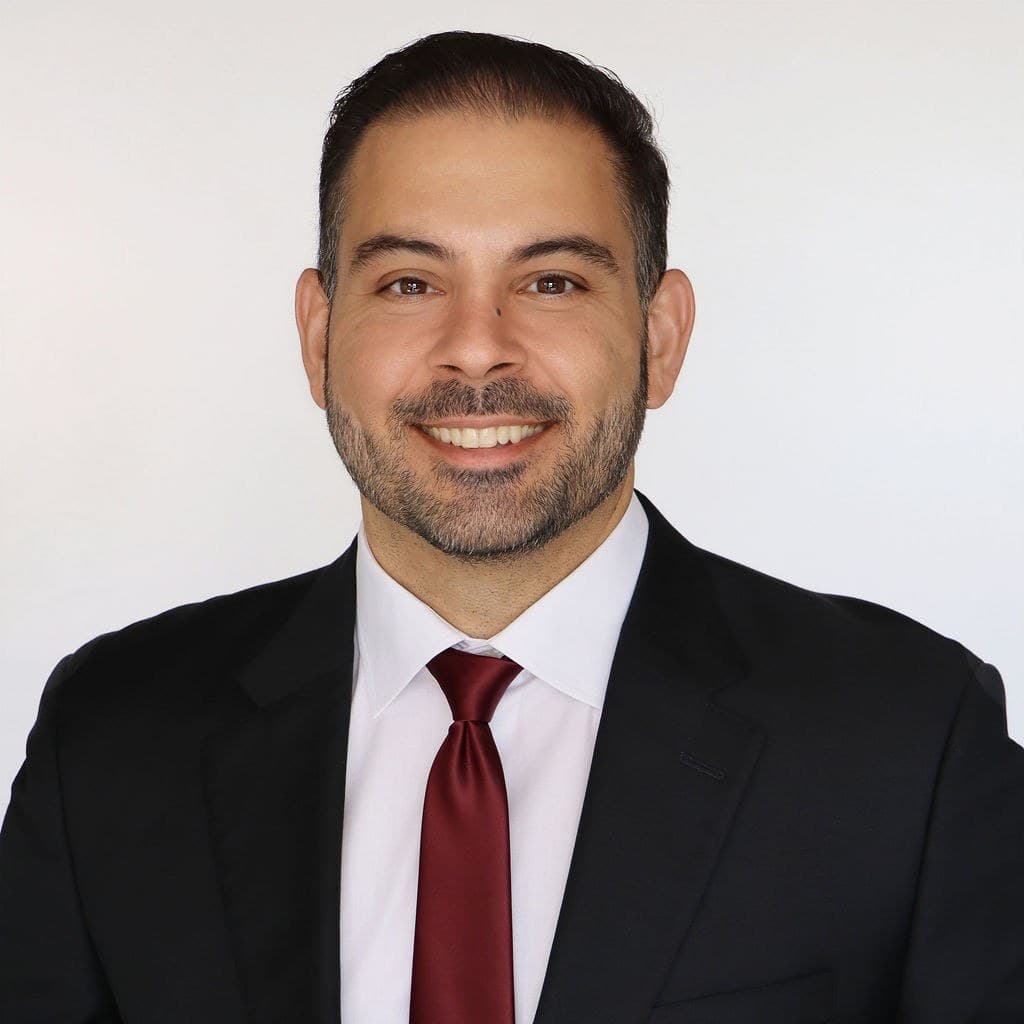
Eman Yazdchi, Esq., Certified Specialist in Workers' Compensation Law, California Board of Legal Specialization, State Bar of California.


California Board of Legal Specialization, State Bar of California
California Board of Legal Specialization, State Bar of California
- 14+
- Years of Practice
- 2,000+
- Cases handled over 14+ years
- $50M+
- Recovered over 14+ years
- 3
- Languages: English, Español, Farsi
Past results do not guarantee, warrant, or predict future cases. Each case is different and results depend on specific facts and circumstances.
Prepared by Yazdchi Law
A denial letter can feel like a door slamming shut. It is not. It is often the first real point where the fight becomes clear.
If you were hurt in Fontana, the insurance company may say your injury did not happen at work. It may blame old pain. It may accept your claim but turn down the MRI, surgery, therapy, or wage checks you need. Each of those problems has a different answer.
Fontana claims often come from hard work along the I-10 and I-15 corridor. We see warehouse pickers near Slover Avenue, forklift drivers at cross-docks, truck drivers moving freight, health care workers at Kaiser Permanente Fontana, construction crews near Sierra Avenue, and steel or metals workers near the old Kaiser Steel area. A denial in those jobs needs local proof, not a form letter response.
The first dates matter. Once the DWC-1 claim form is filed, the insurer usually has 90 days to accept or reject the claim. During the delay period, the employer must authorize treatment for the alleged injury up to a $10,000 limit until the claim is accepted or rejected. If the insurer turns down treatment through Utilization Review, you usually have 30 days to ask for Independent Medical Review.
Eman Yazdchi, Certified Specialist by the California Board of Legal Specialization, State Bar of California, helps injured workers sort those tracks. Call (661) 273-1780 if the letter is confusing, late, or wrong.
What should a Fontana worker do after a denial?
Start with the date, the reason, and the missing records. A denial can often be challenged when the proof is organized fast.
Do not throw the denial letter away. Put it with your DWC-1 claim form, work note, wage stubs, clinic papers, and any text messages about the injury. These papers show when the claim started and what the insurer knew.
Next, read the reason for the denial. Many letters use broad words. They may say there is no injury at work, no medical proof, late notice, a pre-existing condition, no employment, or a non-work cause. Each reason calls for a different kind of proof.
If you hurt your back lifting at a Fontana warehouse, the answer may be witness names, load tickets, scan records, and the first clinic note. If your shoulder wore down after years of order picking, the answer may be a medical-legal exam that explains the job duties over time. If UR denied care, the answer is often a stronger doctor report and a timely IMR request.
Use this simple order:
- Save the envelope and letter. The date can matter.
- Get the claim form. Ask for a copy of the signed DWC-1.
- Write a timeline. Include the injury date, report date, clinic date, and denial date.
- List the witnesses. Include supervisors, co-workers, and safety staff.
- Keep treating. Do not miss visits if care is authorized.
- Ask for help before a deadline passes. A short delay can hurt the record.
A denial is easier to fight when the story is built from records. Memory fades. Supervisors move. Video may be erased. A fast response protects the parts of the case that cannot be rebuilt later.
How does the 90-day rule help a denied claim?
If the insurer waits too long after the claim form, the injury may be presumed covered unless new evidence supports the denial.
California gives the insurance company time to investigate. That time is not open ended. The key question is usually when the DWC-1 claim form was filed with the employer or claims administrator.
If the denial came after the 90-day period, the late denial may be weak. The insurer may have to show evidence discovered after that period. That is a hard place for the carrier when the basic facts were already available.
Here is the core statutory language:
“If liability is not rejected within 90 days after the date the claim form is filed under Section 5401, the injury shall be presumed compensable under this division.”
The same law also addresses early care. Within one working day after the claim form is filed, the employer must authorize treatment for the alleged injury. That care continues until acceptance or rejection, with a $10,000 limit during the delay period.
This does not mean every late denial is simple. The insurer may argue the claim form was never filed, was sent to the wrong place, or was rejected on time. That is why copies, proof of delivery, email records, and claim notes matter.
| Issue | What it means | What to collect |
|---|---|---|
| 90-day decision rule | Labor Code 5402 can create a presumption if the carrier does not reject the claim on time. | DWC-1, denial letter, mailing proof, claim adjuster letters. |
| $10,000 interim care | Care for the alleged injury may be owed during the delay period until acceptance or rejection. | Doctor requests, bills, authorization letters, denial notes. |
| UR denial | The claim may be accepted, but a treatment request gets turned down as not medically needed. | RFA, UR decision, MRI, therapy notes, surgeon report. |
| IMR deadline | A worker usually has 30 days to ask an outside doctor reviewer to review a UR denial. | IMR form, UR date, treating doctor records, proof of mailing. |
| Medical-legal dispute | A QME may be needed when the carrier disputes work cause, body parts, or lasting disability. | Panel papers, job duty list, prior records, current symptoms. |
Why do insurers deny Fontana claims?
Carriers often deny claims because they see gaps. Those gaps can be about timing, job proof, medical proof, or old symptoms.
Fontana work is physical, fast, and often spread across several employers. That gives insurers many ways to argue. They may say a warehouse worker had back pain before the job. They may say a truck driver’s neck pain came from age. They may say a Kaiser worker hurt a shoulder at home. They may say a construction worker reported too late.
Those claims can sound final on paper. They are not always fair. A worker can have an old condition and still suffer a new work injury. A person can report pain after a shift and still have a real claim. A build-up injury can come from years of lifting, scanning, stepping, pushing, and reaching.
In Fontana, common denial patterns include:
- Back and neck claims blamed on normal aging.
- Knee claims blamed on weight or prior sports.
- Shoulder claims denied because there was no single accident.
- Forklift vibration claims treated as personal health issues.
- Heat, breathing, and stress claims denied for lack of medical detail.
- Denied care after an accepted injury because UR says it is not needed.
The answer is not louder argument. The answer is better proof. Good proof includes a full job duty statement, a doctor’s clear opinion, witness names, photos of the work area, time records, and records from the first clinic visit.
How do UR and IMR work after treatment is denied?
UR reviews the doctor’s request. IMR is the outside review after UR says no. The deadline is usually short.
A full claim denial is different from a treatment denial. In a treatment denial, the insurer may accept that you got hurt at work, but it refuses a medical request. That request may be for an MRI, injection, surgery, therapy, home health, or a pain program.
The treating doctor sends a Request for Authorization. The insurer sends it to Utilization Review. UR looks at medical guidelines. If UR denies or changes the request, you should receive a written decision. Read the date on it. The IMR window is usually 30 days.
IMR is not a hearing where you tell your story in person. It is a paper review. That makes the treating doctor’s chart very important. The chart should explain failed care, work limits, exam findings, imaging, pain pattern, and why the requested care is needed now.
For a Fontana forklift operator with a lumbar MRI and failed therapy, the strongest record is specific. It ties the request to the job. It explains the failed care. It does not just say, “patient has pain.”
What benefits can come back if the denial is reversed?
A reversed denial can reopen medical care, wage checks, disability rating, and penalties when payment was unreasonably delayed.
The value of a denial fight depends on what was held back. It may include doctor visits, imaging, surgery, temporary disability checks, mileage, permanent disability, and a future medical award. It may also include penalties when a payment delay was unreasonable.
No lawyer can promise a result. The judge looks at the evidence. Past results do not predict future outcomes. Your result depends on your records, job facts, medical opinions, and the judge’s findings.
For many Fontana families, the most urgent issue is not a final settlement. It is getting care restarted and wage checks moving. A denial can push rent, food, car payments, and medicine into crisis. The legal plan should match that real pressure.
That may mean asking for an expedited hearing on wage or medical issues. It may mean building the QME record. It may mean filing IMR right away. It may mean proving the 90-day rule before the case drifts for months.
Results in cases like this
Every case is different. Past results do not guarantee, warrant, or predict a similar outcome.
$5,000,000
Catastrophic spinal cord injury
$1,500,000
Cervical spine injury
$425,000
Slip and fall accident
Find Out What Your Fontana Case May Be Worth
Two minutes. No fee unless we win; costs may apply.
Question 1 of 5
What type of injury do you have?
Not ready to fill this out? Just call (661) 273-1780 and we’ll ask the same questions by phone.
Free Consultation
Call or send the short form. We review your case, explain your rights, and outline your options. Free, no obligation.
We Build Your Case
We gather medical evidence, handle the insurance company, and file all the workers' comp court (WCAB) paperwork for you.
We Pursue Every Benefit
Medical care, lost wages, and permanent disability benefits. No fee unless we win your case; costs may apply.
Where are Fontana denied claims heard?
Fontana denied claims are handled at the San Bernardino district WCAB, the local board for Inland Empire injury disputes.
Fontana workers' comp disputes are heard at the San Bernardino district office of the Workers' Compensation Appeals Board, 464 West Fourth Street, San Bernardino, CA 92401. That district covers Fontana, Rialto, Colton, Bloomington, Rancho Cucamonga, Ontario, San Bernardino, Redlands, Loma Linda, Highland, Yucaipa, Chino, Chino Hills, and many other San Bernardino County communities.
This local setting matters. A denial from a Slover Avenue warehouse is not the same as an office claim. A Fontana file may involve shift logs, scanner data, dock schedules, forklift routes, pallet weights, yard hostler duties, or clinic records from Kaiser Permanente Fontana or Arrowhead Regional Medical Center in Colton.
Local employers and industries also shape the proof. Fontana has warehouse and logistics work near the I-10 and I-15 split, trucking and intermodal work tied to the BNSF San Bernardino yard, medical jobs at Kaiser Permanente Fontana Medical Center on Sierra Avenue, steel and metals work tied to California Steel Industries, and construction work along Sierra, Cherry, and Etiwanda corridors.
Those facts can help explain how an injury happened. They can also show why a denial missed the point. A picker may lift thousands of pounds in a shift without one dramatic accident. A truck driver may have years of vibration. A nurse aide may have a patient transfer injury that was reported late because the shift was short-staffed. A denial letter may ignore those job facts.
Yazdchi Law appears at the San Bernardino WCAB on Inland Empire workers' compensation matters. Eman Yazdchi is the attorney. The phone number is (661) 273-1780.
Injured at work in Fontana? Talk it through for free.
Most claims must be filed within one year under Labor Code section 5405. A free call tells you where your clock stands.
Frequently Asked Questions
Is a denied Fontana workers' comp claim over?
What is the 90-day rule in a denied claim?
Can I still get medical care while the claim is delayed?
What if UR denied my MRI, surgery, or therapy?
Why did the insurer blame my old condition?
Which WCAB handles Fontana denied claims?
Can undocumented workers fight a denial in Fontana?
What does a Fontana denial lawyer cost?
Free case evaluation
Get your free Fontana case evaluation
Three fields. We respond within one business day.
Talk to a Certified Specialist
Certified Specialist in Workers' Compensation Law, California Board of Legal Specialization, State Bar of California.
Takes 30 seconds. No obligation.
Eman by far exceeds the basic requirements other lawyers give to clients and surpasses all expectations.
Eman really knows his stuff and we were very pleased with our end result.
Client testimonials. Testimonials are not a guarantee, warranty, or prediction of the outcome of your case.