
California · Workers' Compensation
What Is California Labor Code §3212.5: Heart and Pneumonia Presumption?
California Labor Code 3212.5 presumes that heart trouble and pneumonia are job related for full-time city and county police officers, California Highway Patrol officers, sheriffs and deputy sheriffs, and district attorney inspectors and investigators. For heart trouble, the officer must have served five years or more before the presumption applies. The insurer can still dispute the claim with other evidence.
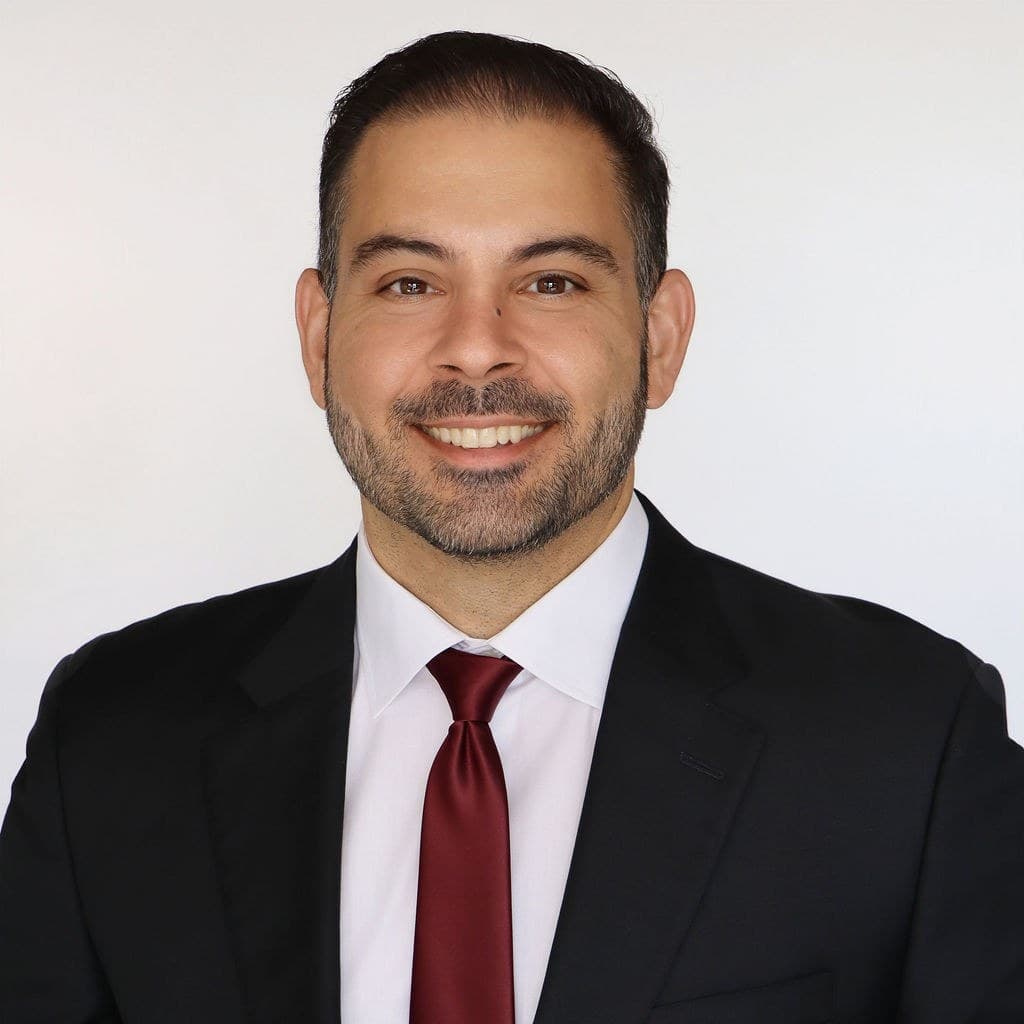
Eman Yazdchi, Esq., Certified Specialist in Workers' Compensation Law, California Board of Legal Specialization, State Bar of California.


California Board of Legal Specialization, State Bar of California
California Board of Legal Specialization, State Bar of California
- 14+
- Years of Practice
- 2,000+
- Cases handled over 14+ years
- $50M+
- Recovered over 14+ years
- 3
- Languages: English, Español, Farsi
Past results do not guarantee, warrant, or predict future cases. Each case is different and results depend on specific facts and circumstances.
Prepared by Yazdchi Law
In the case of a member of a police department of a city or municipality, or a member of the State Highway Patrol, when any such member is employed upon a regular, full-time salary, and in the case of a sheriff or deputy sheriff, or an inspector or investigator in a district attorney's office of any county, employed upon a regular, full-time salary, the term "injury" as used in this division includes heart trouble and pneumonia which develops or manifests itself during a period while such member, sheriff, or deputy sheriff, inspector or investigator is in the service of the police department, the State Highway Patrol, the sheriff's office or the district attorney's office, as the case may be.
What Is Labor Code 3212.5?
It is a disputable presumption that a diagnosis in certain full-time law enforcement jobs came from the job.
Most workers have to prove a condition came from work. Labor Code 3212.5 flips part of that burden for a narrow group. It covers full-time, regular-salary members of a city or municipal police department, California Highway Patrol officers, sheriffs and deputy sheriffs, and district attorney inspectors and investigators. The statute limits the word "members" to people in those jobs who also qualify as peace officers under Penal Code section 830.1, 830.2, or 830.3. If a qualifying officer develops either covered condition while in that service, the law presumes it is work related.
Who qualifies, and when does the heart trouble part of the presumption start?
Pneumonia is covered from day one of qualifying service. Heart trouble needs five years of service first.
Section 3212.5 sets two different clocks for its two conditions. Pneumonia is presumed work related as soon as it develops during qualifying service, with no minimum years required. Heart trouble is different. The statute requires the officer, sheriff, deputy, or district attorney inspector or investigator to have served five years or more in that capacity before the presumption applies. An officer with less than five years of service who develops a heart condition can still file a claim. The officer just has to prove the usual way, without the presumption's head start.
Either way, the presumption is disputable. The insurer can present other evidence, often a medical opinion pointing to a cause unrelated to the job. Without that evidence, the Workers' Compensation Appeals Board must find the claim compensable. Compensation includes full hospital, surgical, and medical treatment, disability indemnity, and death benefits under the same division that covers every other California work injury.
How is Labor Code 3212.5 different from the presumption in Labor Code 3212?
Section 3212 covers the same two conditions, but only for fire service and Fish and Game warden jobs, not police or sheriff's staff.
Labor Code 3212 presumes several conditions are work related for a different group of public safety jobs. Its hernia coverage reaches sheriff's office members, California Highway Patrol officers, district attorney staff, police and fire department members, and more. For the heart and lung conditions specifically, section 3212 narrows that list down to fire service members and qualifying Fish and Game wardens only. It does not reach sheriff's office, Highway Patrol, or district attorney positions for either one.
Section 3212.5 fills that gap for the law enforcement side section 3212 leaves out: city and county police, the Highway Patrol, sheriffs and deputies, and district attorney inspectors and investigators. Read together, the two statutes cover most full-time California peace officers, through two separate sections rather than one.
What happens after a qualifying officer leaves the job?
The presumption can extend three months for each full year of qualifying service, up to 60 months.
A former officer, sheriff, deputy, or district attorney inspector or investigator is not automatically out of options. The presumption extends for three calendar months for each full year the person served in a qualifying role, up to a maximum of 60 months, counted from the last day actually worked in that role. The statute also protects the claim from one common defense: a covered diagnosis cannot be attributed to a disease that already existed before it developed or appeared.
Has Labor Code 3212.5 changed recently?
No. Unlike its neighbor, Labor Code 3212, this section has not been amended since 1976.
The official Legislature record shows the current text of section 3212.5 was last amended by Stats. 1976, Ch. 466. Labor Code 3212, by comparison, was expanded for injuries on or after January 1, 2026 to reach more firefighters. Section 3212.5's law enforcement list has stayed the same for decades. A worker should still confirm the current text before relying on it, since any statute can change in a future legislative session.
What should an officer save or ask about under this presumption?
Save service records and a clear medical history, and ask early whether the five year rule applies.
Save personnel or service records that show the job title, agency, dates of service, and full-time salaried status. Save medical records that show when the diagnosis first appeared. If the claim involves a heart condition, count the years of qualifying service before the first symptoms, since that number decides whether the presumption applies at all. For a former officer, ask how many months remain under the three-month-per-year extension. See the firm's overview of California peace officer presumptions for how this section fits with the duty belt, cancer, bloodborne disease, and PTSD rules that can apply to the same careers.
Results in cases like this
Every case is different. Past results do not guarantee, warrant, or predict a similar outcome.
$5,000,000
Catastrophic spinal cord injury
$1,500,000
Cervical spine injury
$425,000
Slip and fall accident
Find Out What Your Case May Be Worth
Two minutes. No fee unless we win; costs may apply.
Question 1 of 5
What type of injury do you have?
Not ready to fill this out? Just call (661) 273-1780 and we’ll ask the same questions by phone.
Free Consultation
Call or send the short form. We review your case, explain your rights, and outline your options. Free, no obligation.
We Build Your Case
We gather medical evidence, handle the insurance company, and file all the workers' comp court (WCAB) paperwork for you.
We Pursue Every Benefit
Medical care, lost wages, and permanent disability benefits. No fee unless we win your case; costs may apply.
Next steps for an officer with a covered diagnosis
A presumption claim still needs a complete record: the right job category, service dates, and a clear medical diagnosis. Contact Yazdchi Law P.C., or call (661) 273-1780, to go over a California peace officer presumption claim, or use the contact form. The firm reviews each matter individually.
Injured at work? Talk it through for free.
Most claims must be filed within one year under Labor Code section 5405. A free call tells you where your clock stands.
Frequently Asked Questions
Does the Labor Code 3212.5 presumption mean my claim is automatically approved?
No. The presumption is disputable. An insurer can still present other evidence, often a medical opinion, that the condition did not come from the job. If the insurer does not produce that evidence, the Workers' Compensation Appeals Board must find the claim compensable.
Does the five year service rule apply to pneumonia the same way it applies to heart trouble?
No. The statute's five year requirement attaches only to heart trouble. Pneumonia that develops during qualifying full-time service is presumed work related without a minimum years-of-service requirement.
What if I already left the police department or sheriff's office?
The presumption can still apply. It extends for three calendar months for each full year of qualifying service, up to 60 months, measured from the last day actually worked in that role.
Can a pre-existing condition defeat a Labor Code 3212.5 claim?
The statute itself says a covered diagnosis cannot be attributed to a disease that already existed before it developed. An insurer can still raise other medical evidence to dispute the presumption on different grounds.
Is a correctional officer covered by this same presumption?
Not under section 3212.5. Corrections and youth authority peace officers have their own presumption, covering similar conditions plus tuberculosis and meningitis, under a different section, Labor Code 3212.10.
What is the real difference between Labor Code 3212 and Labor Code 3212.5?
Labor Code 3212 covers hernia broadly and limits its heart and lung coverage to fire service and qualifying Fish and Game warden jobs. Labor Code 3212.5 covers only the heart and lung conditions, for the law enforcement jobs, city and county police, the Highway Patrol, sheriffs and deputies, and district attorney inspectors and investigators, that section 3212 does not reach.
What benefits can a Labor Code 3212.5 claim pay?
The statute itself lists full hospital, surgical, and medical treatment, disability indemnity, and death benefits. In practice that runs through the same benefit system as any other California work injury, including temporary disability, permanent disability, and medical mileage.
Free case evaluation
Get your free case evaluation
Three fields. We respond within one business day.
Talk to a Certified Specialist
Certified Specialist in Workers' Compensation Law, California Board of Legal Specialization, State Bar of California.
Takes 30 seconds. No obligation.
Eman at Yazdchi Law was extremely professional, responsive, and supportive at all times. He and his staff exceeded all of my expectations.
A fighting force both consistent and compassionate on a scale’s a 5 all around.
Client testimonials. Testimonials are not a guarantee, warranty, or prediction of the outcome of your case.