
California · Workers' Compensation
What Is 8 CCR §41: QME Ethical Requirements?
Title 8, section 41, is the conduct code every Qualified Medical Evaluator must follow during a California workers' comp exam. It covers a professional office, fair scheduling, no bias, no favor for either side, and a report built only on the medical facts. It also gives you one concrete right at the exam itself: the evaluator cannot make you wait more than one hour past your scheduled time. Breaking several of these rules can be good cause to stop the exam and ask for a new evaluator.
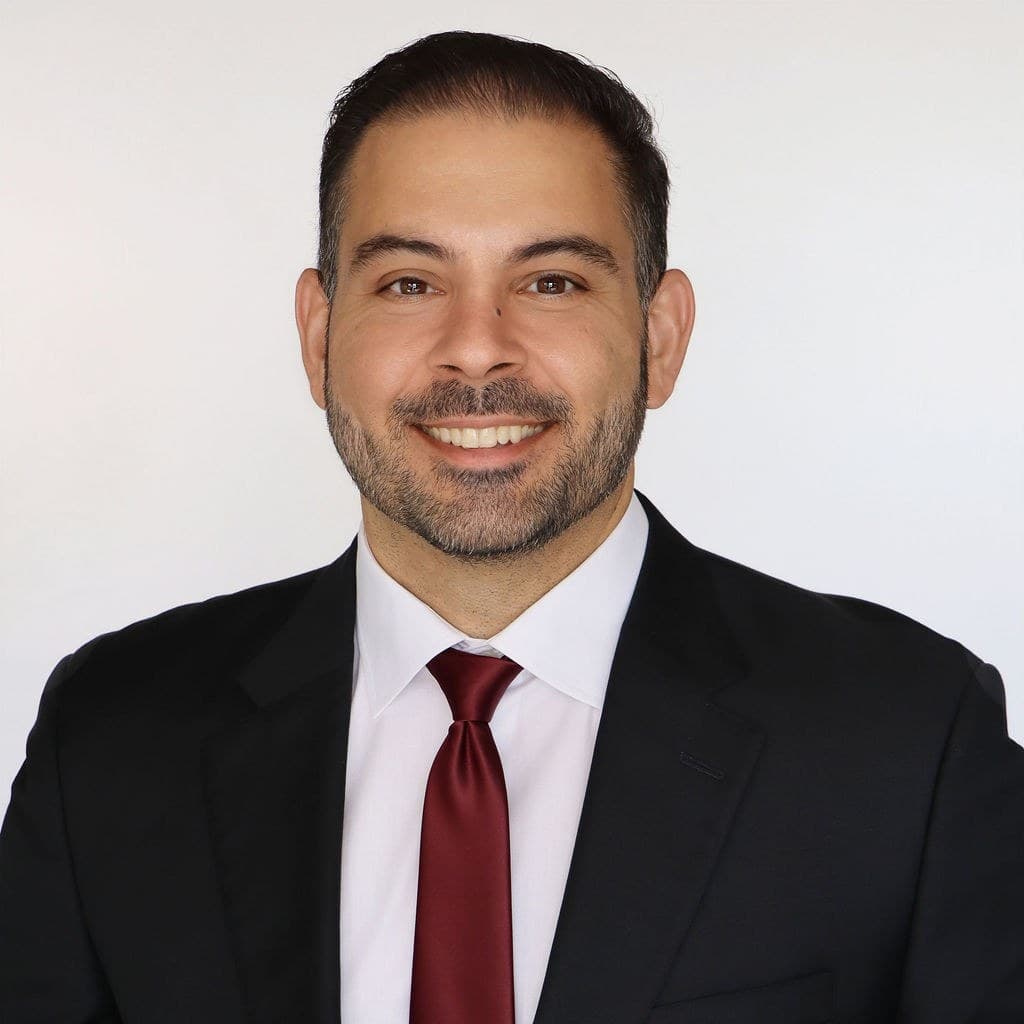
Eman Yazdchi, Esq., Certified Specialist in Workers' Compensation Law, California Board of Legal Specialization, State Bar of California.


California Board of Legal Specialization, State Bar of California
California Board of Legal Specialization, State Bar of California
- 14+
- Years of Practice
- 2,000+
- Cases handled over 14+ years
- $50M+
- Recovered over 14+ years
- 3
- Languages: English, Español, Farsi
Past results do not guarantee, warrant, or predict future cases. Each case is different and results depend on specific facts and circumstances.
Prepared by Yazdchi Law
Communicate with the injured worker in a respectful, courteous and professional manner.
What is 8 CCR section 41?
It is the state's rulebook for how a QME must treat you and handle your case, separate from the medical opinion itself.
A Qualified Medical Evaluator writes a report that can decide your disability rating and your benefits. Section 41 does not touch that medical opinion. Instead it sets the conduct the evaluator owes you along the way. That means a real office, fair scheduling, no bias, and no outside pressure on the doctor's conclusions. Almost every duty here applies the same way whether or not you have an attorney. The one exception is the ban on private contact with the evaluator. That ban points to a specific Labor Code section written for represented claims. The rules below group the duties by what they protect: the exam itself, the evaluator's independence, and the report you receive afterward.
What must the QME's office and exam be like?
A clean, working office, fair scheduling no matter your representation, and a hard one-hour cap on how long you can be made to wait.
The office has to have working exam equipment and a real phone line on file with the Medical Director. The QME cannot refuse to schedule you, or treat your appointment as less urgent, just because you do not have a lawyer or have not arranged reimbursement ahead of time. The evaluator also cannot ask you to undergo an exam or test that is not needed for your case. Most of all, no evaluator may schedule so many appointments that you end up waiting more than one hour past your set time. This site's guide to a QME appointment walks through the rest of what happens once you are called in. If the wait runs past an hour, you can end the exam and ask the Administrative Director for a new evaluator, and neither side owes anything for the canceled visit.
Can a QME be influenced by either side, or treat you unfairly?
No. The rule bans paid-for opinions, private contact with the evaluator, and any bias based on who you are.
A QME cannot take any payment that depends on writing an opinion favorable to one side. Once a panel assigns an evaluator, neither side may privately contact that doctor to steer the outcome. Subsection (b) sends a violation of that ban straight to Labor Code section 4062.3, the law on QME records and contact rules. The evaluator also cannot let your race, sex, national origin, religion, or sexual preference shape the opinion. The evaluator can only give opinions inside their own training and specialty. No one, including the QME's own staff, may try to influence the evaluator's conclusions from outside the exam.
What rules govern the QME's written report?
The report must list every record the evaluator reviewed, stay within the doctor's own expertise, and carry a signed, dated declaration.
Before writing the report, the evaluator has to review the relevant medical and non-medical records in your case and list them. The signing doctor has to personally write the medical discussion and conclusions. A consulting specialist's findings get attached, not folded in unlabeled. The report is dated the day it is actually finished, not the day of your exam. It then goes out to you, the claims administrator, and each side's attorney at the same time. Labor Code section 4628 carries its own, closely related rules on who may examine you and sign the report. If the finished report later turns out to contain a plain factual mistake, 8 CCR 37 covers asking the QME to fix it, a separate process from the conduct duties here.
What can you do if a QME breaks one of these rules?
Tell the Medical Director, and in some cases you can stop the exam on the spot without owing anything for it.
A violation of the courtesy duty, the bias ban, or the one-hour wait rule can be good cause to end the exam early. Running past that hour specifically also lets you request a replacement evaluator from the Administrative Director on the spot, with neither side liable for the canceled exam. For the other violations, if the Workers' Compensation Appeals Board later agrees good cause existed, neither side pays for the canceled exam; if it decides good cause did not exist, the cost can come out of your award instead. It pays to document the problem as it happens. This site's guide to filing a complaint against a QME covers the separate conduct-complaint channel at DWC's Medical Unit, which you can use whether or not you also ended the exam. An evaluator has a matching right to stop an exam if you or your representative become abusive or try to disrupt the office.
| Duty under 8 CCR 41 | What it means for you |
|---|---|
| Office and equipment, (a)(1) | A real, working office and a phone line on file with the Medical Director. |
| Equal scheduling, (a)(2) | No shorter wait or lower priority just because you lack an attorney. |
| One-hour wait cap, (f) | End the exam and ask for a new evaluator if you wait past an hour. |
| No contingent pay, (c)(1) | The evaluator cannot be paid for a result that favors either side. |
| No ex parte contact, (b) | Neither side may privately contact the evaluator once assigned. |
| No bias, (c)(3) | Your race, sex, origin, religion, or sexual preference cannot shape the opinion. |
| Report integrity, (c)(2) and (c)(6) | Every record reviewed is listed, and the report is dated when it is actually finished. |
Results in cases like this
Every case is different. Past results do not guarantee, warrant, or predict a similar outcome.
$5,000,000
Catastrophic spinal cord injury
$1,500,000
Cervical spine injury
$425,000
Slip and fall accident
Find Out What Your Case May Be Worth
Two minutes. No fee unless we win; costs may apply.
Question 1 of 5
What type of injury do you have?
Not ready to fill this out? Just call (661) 273-1780 and we’ll ask the same questions by phone.
Free Consultation
Call or send the short form. We review your case, explain your rights, and outline your options. Free, no obligation.
We Build Your Case
We gather medical evidence, handle the insurance company, and file all the workers' comp court (WCAB) paperwork for you.
We Pursue Every Benefit
Medical care, lost wages, and permanent disability benefits. No fee unless we win your case; costs may apply.
What should you do if a QME treated you unfairly or broke one of these rules?
Note the date, the time you waited, and exactly what was said or done, and keep any paperwork from the visit. Call (661) 273-1780 or use the contact form for a free consultation. Yazdchi Law reviews each workers' compensation matter on its own facts before deciding whether to take it on.
Injured at work? Talk it through for free.
Most claims must be filed within one year under Labor Code section 5405. A free call tells you where your clock stands.
Frequently Asked Questions
What does 8 CCR section 41 cover?
It is the Title 8 conduct code for Qualified Medical Evaluators. It covers office standards, fair scheduling, the one-hour wait limit, bans on bias and outside influence, and rules for how the written report is built, dated, and sent out.
How long can a QME make you wait before you can leave?
One hour past your scheduled time. After that, you can end the exam and ask the Administrative Director for a new evaluator. Neither side owes anything for the exam that did not happen.
Can a QME refuse to see me because I do not have a lawyer?
No. Section 41 requires equal scheduling and treatment for every injured worker, no matter whether an attorney is involved or payment has been arranged in advance.
Can a QME be paid more for writing a favorable opinion?
No. The regulation bans any compensation that depends on the evaluator reaching a conclusion that helps one side. It also bars either side from privately contacting the evaluator once a panel has assigned one.
What should you do if a QME seemed biased or unprofessional?
Note the date and exactly what happened. A clear violation, such as open bias or an unreasonable wait, can be good cause to end the exam on the spot, and it can also support a conduct complaint to DWC's Medical Unit.
Does a rule violation automatically change the outcome of my case?
Not by itself. A violation can be good cause to stop an exam or support a complaint about the evaluator's conduct, but it does not rewrite a medical finding already issued; a separate process handles a factual error in a finished report.
Free case evaluation
Get your free case evaluation
Three fields. We respond within one business day.
Talk to a Certified Specialist
Certified Specialist in Workers' Compensation Law, California Board of Legal Specialization, State Bar of California.
Takes 30 seconds. No obligation.
Eman really knows his stuff and we were very pleased with our end result.
I am glad and so very pleased...he made happen what no other attorney could do. So far he has proven his weight in gold.
Client testimonials. Testimonials are not a guarantee, warranty, or prediction of the outcome of your case.